

Key Takeaways
- A pre-purchase inspection (PPI) is an independent mechanic's evaluation of a used vehicle before you commit to buying.
- A PPI typically costs between $100 and $200 and can reveal costly hidden problems in advance.
- Vehicle history reports are useful screening tools but cannot replace a physical inspection by a qualified mechanic.
- Most sellers - private and dealer - allow PPI requests; reluctance to permit one is itself a warning sign.
- Issues uncovered during a PPI can be used to negotiate the price or walk away from a bad deal.
What you will need
What a Pre-Purchase Inspection Actually Is
A pre-purchase inspection (PPI) is an evaluation of a used vehicle performed by an independent mechanic - someone who has no financial stake in whether you buy the car. The goal is straightforward: surface mechanical, electrical, or structural issues before you hand over money, not after.
Many buyers rely on a vehicle history report as their primary due diligence. History reports are genuinely useful - they can flag title problems, reported accidents, and odometer discrepancies - but they have real limitations. As explained in our article What a Vehicle History Report Can and Cannot Tell You, these reports only capture what was formally reported. Unrecorded damage, gradual mechanical wear, and maintenance neglect won't appear in any database.
A PPI fills that gap. It's a hands-on, eyes-on assessment of the actual vehicle sitting in front of a trained technician - not a paper record of its past.
A PPI Typically Costs Less Than One Repair
Most pre-purchase inspections run between $100 and $200 depending on your area and the shop. A single overlooked transmission or engine issue can cost thousands of dollars to repair. The inspection fee is almost always money well spent, regardless of what the report finds.
What the Inspection Typically Covers
The exact scope of a PPI varies by shop, but most thorough inspections examine the following areas:
- Engine and transmission: Oil condition, fluid levels, signs of leaks, unusual noises, shift quality
- Brakes: Pad and rotor thickness, brake fluid condition, caliper condition
- Suspension and steering: Worn bushings, ball joints, tie rods, shock absorbers
- Tires: Tread depth, uneven wear patterns (which can indicate alignment or suspension issues)
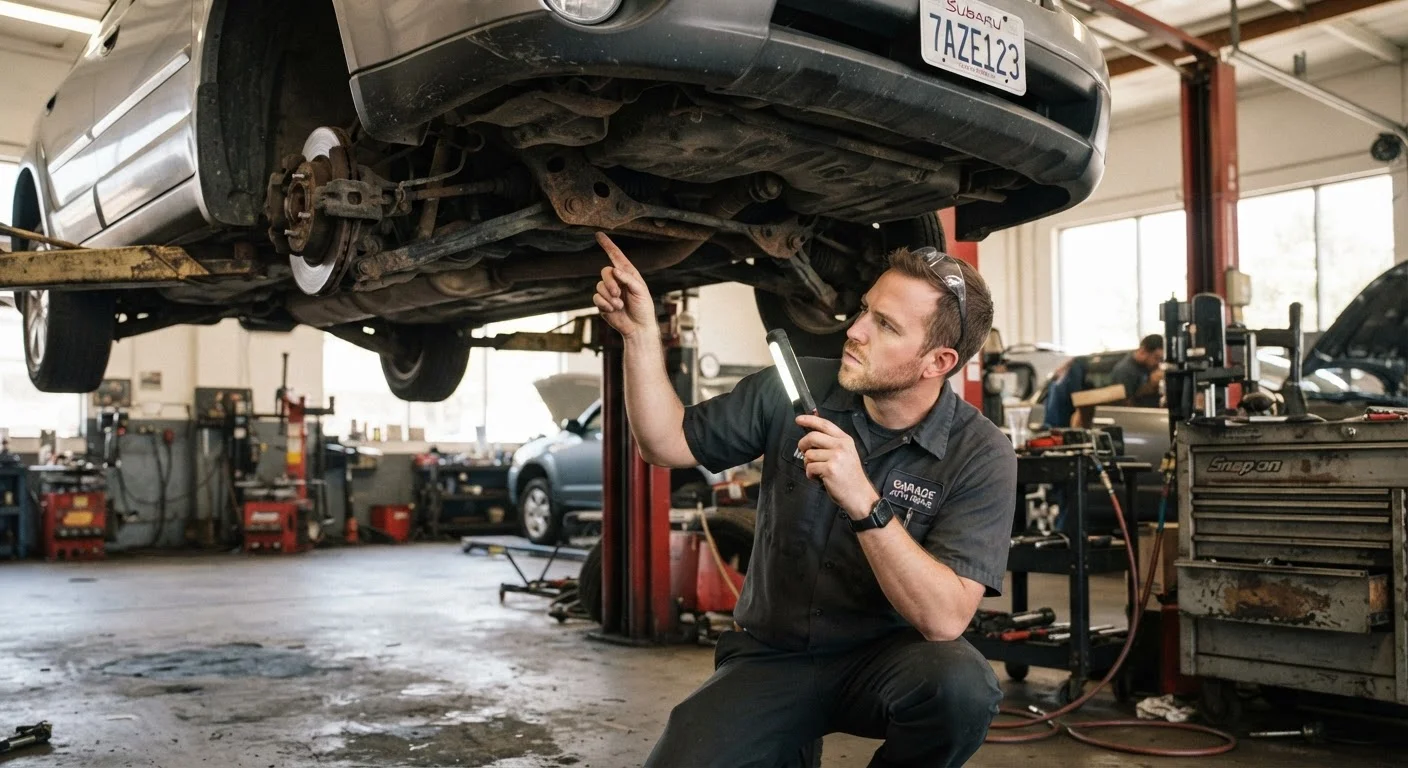
- Undercarriage: Rust, frame damage, signs of previous collision repair
- Electrical systems: Battery health, lights, power accessories, warning lights
- Body and paint: Panel gaps, paint overspray, or mismatched paint suggesting unreported body work
- Air conditioning and heating: Functional checks
Some shops also perform a diagnostic scan to read any stored fault codes from the vehicle's onboard computer - codes that might not have triggered a dashboard warning light yet.
Certified Pre-Owned Is Not a Substitute
CPO vehicles go through a manufacturer-defined inspection process, but that inspection is performed by the selling dealer's technicians - not an independent party. As our guide on CPO vehicles explains, CPO certification does not guarantee a problem-free car. Arranging your own independent PPI on a CPO vehicle is still a reasonable step, particularly for higher-mileage or older examples.
How to Arrange a Pre-Purchase Inspection
What you will need
Follow these steps to set up a PPI before finalizing any used car purchase. If you're still in the early stages of your car search, our guide Before You Visit a Dealership: What to Research at Home First covers what to investigate before you even meet a seller.
Find an independent mechanic
Choose a shop that has no relationship with the seller. A dealership's in-house service department is not independent. Look for an ASE-certified (Automotive Service Excellence) technician or a shop with strong local reviews. If you don't have a mechanic you trust, ask friends or family for referrals.
Ask the seller for permission
Contact the seller - private party or dealer - and request that the vehicle be made available for an independent inspection. Most legitimate sellers will agree. Frame it as a standard part of your buying process, not an accusation.
Schedule and transport the vehicle
Coordinate a time that works for both the seller and the shop. In most cases, the seller drives the vehicle to the mechanic's location, or you arrange for it together. Confirm with the shop exactly what their inspection covers and get a written estimate of the inspection fee upfront.
Review the written inspection report
A reputable shop will provide a written report itemizing their findings. Ask the mechanic to categorize issues by urgency: items that are safety concerns or need immediate repair, items that will need attention soon, and items that are routine wear. Get rough repair cost estimates for anything significant.
Use findings to inform your decision
Weigh the inspection results against the asking price and what you know about the vehicle from its history report and your test drive. Minor wear items are normal on used vehicles; major mechanical or structural problems warrant serious reconsideration. Use documented repair costs as the basis for any price negotiation.
What to Do With the Results
Once you receive the inspection report, review it carefully with the mechanic. Ask them to clarify anything you don't understand, and - critically - ask which items need immediate attention versus which are routine maintenance items.
If significant issues surface, you generally have three options:
- Negotiate a lower price that reflects the cost of repairs. Get repair estimates first so your negotiation is grounded in real numbers.
- Ask the seller to make repairs before sale. This is more common in dealer transactions than private-party sales.
- Walk away. If the problems are extensive or the seller is unwilling to budge, walking away is often the financially sound choice.
A PPI is one layer of a broader due-diligence process. For a full picture of what to verify before taking ownership, see our Car Ownership Checklist for First-Time Buyers.
This article is for general informational purposes only. Always consult a qualified, licensed mechanic before making decisions about a specific vehicle purchase.