

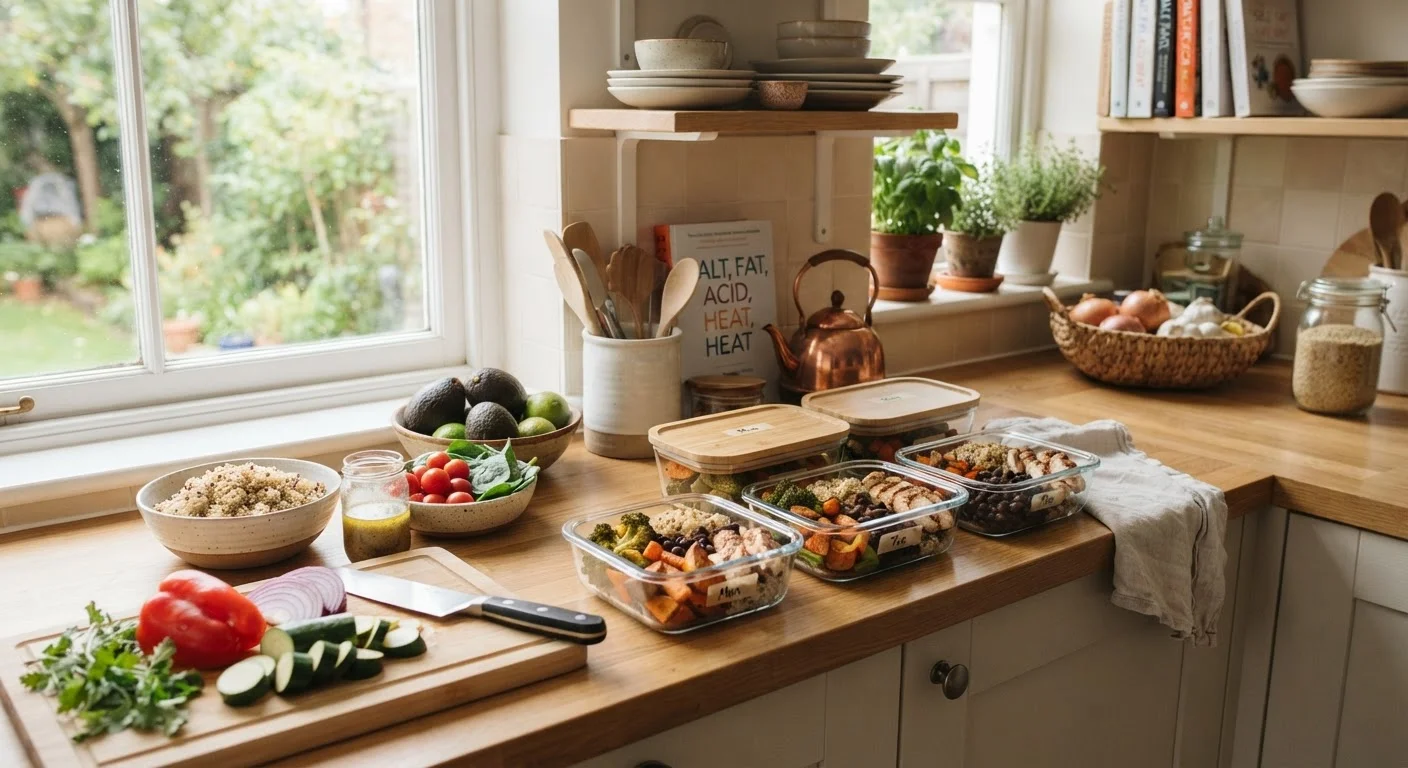
Key Takeaways
- Simple planning habits — like prepping ingredients once a week — dramatically reduce reliance on less nutritious convenience foods.
- Nutritional balance is built over days, not single meals, so one imperfect choice rarely derails overall health.
- Keeping a few reliable pantry staples on hand makes it easier to build balanced meals in under 20 minutes.
- Reading basic nutrition labels helps you make informed choices without needing a background in dietetics.
- Staying hydrated supports nutrient absorption and can curb unnecessary snacking throughout the day.
Why Busy Schedules and Good Nutrition Feel Like Opposites
Most people don't abandon balanced eating because they stop caring — they abandon it because the day runs away from them. Meetings run long, the commute eats into the evening, and suddenly a drive-through or a bag of chips becomes dinner. This is a pattern, not a personal failing.
The good news is that nutritional balance doesn't require cooking elaborate meals or following a rigid plan. Research from the USDA and major nutrition bodies consistently shows that variety across food groups over time — not perfection at every single meal — is what supports long-term wellbeing. Understanding that framing takes a lot of pressure off.
If you've ever wondered why good intentions don't always lead to good outcomes at mealtime, you're not alone. See why common eating habits quietly undermine nutritional goals for a closer look at the patterns most people don't notice.
Balance Is Measured Over Days, Not Meals
Nutrition research broadly supports looking at dietary patterns across several days rather than judging each individual meal. A lunch that leans heavily on carbohydrates isn't a problem if the rest of the day and surrounding days include protein, healthy fats, and plenty of vegetables. This perspective makes it easier to handle imperfect meals without abandoning your overall approach.
Core Practices for Eating Well When Time Is Short
The following practices are grounded in established nutrition guidance. None require special equipment, expensive ingredients, or hours of free time. Think of them as reliable defaults you can return to, especially on your most hectic days.
Build meals around a simple three-part structure: a protein source, a fiber source, and a vegetable or fruit.
This loose framework naturally covers most major nutrient groups without requiring calorie counting or detailed tracking. It works equally well with fresh, frozen, or pantry ingredients, making it adaptable to whatever you have available. Keeping the structure simple means you can apply it even on low-effort evenings.
Stock your pantry with five to seven versatile staples that don't spoil quickly.
A reliable pantry reduces the decision fatigue that often leads to less nutritious choices. When you already have canned beans, oats, whole-grain pasta, nut butter, canned fish, frozen vegetables, and olive oil on hand, building a decent meal is always possible even without a fresh grocery run.
Do one batch of ingredient prep each week, not full meal cooking.
Full meal prep can feel overwhelming and unsustainable, but prepping components — washing vegetables, cooking a pot of grains, hard-boiling a few eggs — dramatically shortens weeknight assembly time. This approach also preserves flexibility so you're not locked into eating the same meal four nights running.
Use visual portion cues rather than strict measuring to stay roughly balanced without obsessive tracking.
Portion awareness helps maintain balance without the mental load of counting every gram or calorie, which research suggests can sometimes be counterproductive for long-term eating habits. Simple visual references — a fist-sized portion of grains, a palm-sized portion of protein, half the plate as vegetables — provide enough structure to be useful without being rigid.
Approach convenience foods as ingredients to build on, not meals to accept as-is.
Rotisserie chicken, pre-washed salad bags, microwavable rice pouches, and canned legumes are genuine time-savers that don't automatically compromise nutrition. The difference lies in how they're used — paired with other food groups rather than eaten alone, they form the basis of reasonably balanced meals.
Quick Wins You Can Start Today
You don't need to overhaul your routine to start eating more consistently well. Small, specific actions — taken today — can shift your defaults over time without feeling overwhelming.
Hydration is also worth mentioning here. Water supports how your body uses the nutrients it takes in, and mild dehydration can sometimes feel like hunger. Explore how hydration and nutrition connect to understand why drinking enough water matters beyond just quenching thirst.
Building Habits That Actually Stick
Sustainable eating habits work because they fit your real life — not an idealized version of it. That means building in flexibility rather than striving for a streak of perfect days.
A helpful framework is to anchor nutrition habits to things you already do. If you make coffee every morning, that's a cue to grab a piece of fruit or prepare a quick high-fiber option alongside it. Grocery shopping on a consistent day each week sets up the rest of the week more reliably. For practical help organizing your weekly shop around key nutrient groups, this grocery planning guide offers a straightforward checklist approach.
If budget is a factor — and for many households it is — balanced eating doesn't have to cost more. Stretching your grocery budget without sacrificing nutrition walks through practical strategies for keeping food costs manageable while still covering the basics.
Keep Frozen Vegetables as a Nutritional Safety Net
Frozen vegetables are picked and frozen quickly after harvest, which preserves most of their nutritional value. Keeping a variety in the freezer means you always have a vegetable option available even when fresh produce has run out. They require no washing or chopping and can be added to almost any warm dish within minutes.
For broader context on what eating patterns research has consistently found most supportive of long-term health, see eating patterns nutrition research broadly supports.
This article provides general nutritional information and education only. It is not a substitute for personalized advice from a registered dietitian or qualified healthcare professional. If you have specific health concerns or dietary needs, please consult a qualified professional before making changes to your eating habits.