

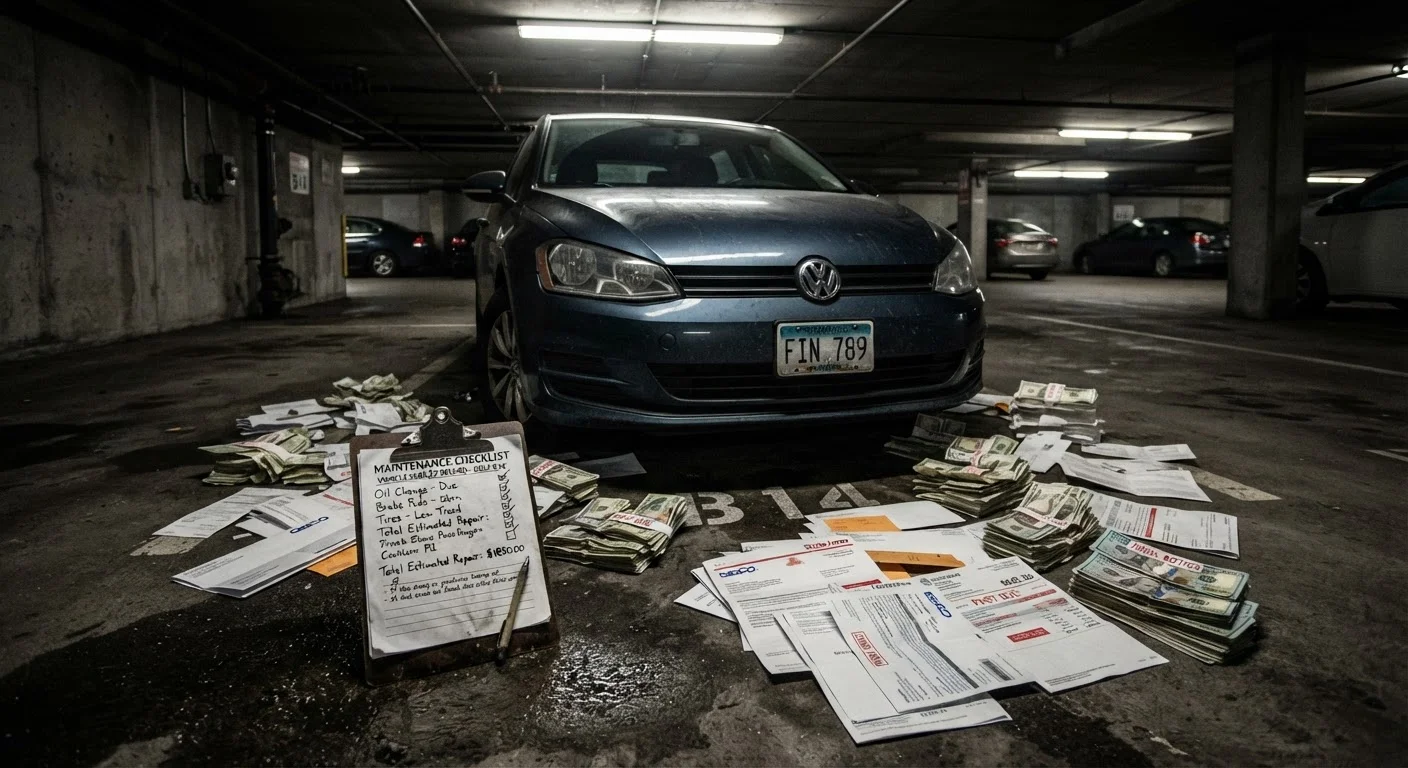
Key Takeaways
- Depreciation alone can cost thousands of dollars per year, especially in the first few years of ownership.
- Insurance, registration, and taxes recur annually and are frequently left out of initial ownership budgets.
- Maintenance and repair costs tend to rise significantly as a vehicle ages past 100,000 miles.
- Parking, tolls, and fuel expenses vary widely by location and driving habits but are often underestimated.
- Building a dedicated car expense fund can prevent financial surprises when unexpected costs arise.
Why Car Budgets Fall Short
Most people approach car ownership by asking one question: can I afford the monthly payment? That framing leaves out a long list of costs that show up reliably, often when least expected. According to general industry estimates, the average American driver spends several thousand dollars per year on vehicle expenses beyond financing alone — yet many first-time owners don't discover this until they're already committed to a car they can't comfortably afford.
The gap between what people plan to spend and what they actually spend is the core problem this article addresses. Understanding where that gap comes from is the first step toward closing it. If you're new to vehicle ownership, the beginner's guide to car ownership costs covers each expense category in depth.
~$10,000+
Average annual cost to own and operate a vehicle
AAA's annual "Your Driving Costs" study consistently estimates total annual ownership costs — including depreciation, insurance, fuel, and maintenance — for a new vehicle at or above this figure.
~20%
Typical first-year depreciation on a new car
Many new vehicles lose roughly 15–20% of their value within the first year of ownership, making depreciation one of the largest single ownership costs most drivers never see as a line item.
$1,500–$3,000+
Annual insurance cost range for U.S. drivers
Insurance costs vary significantly by state, driving record, vehicle type, and coverage level; urban drivers and those financing a vehicle typically fall toward the higher end of this range.
The Most Common Mistakes Drivers Make
The errors below aren't rare edge cases — they're patterns that show up consistently among drivers at every income level. Each one is avoidable with a bit of upfront research and honest budgeting.
Treating the monthly payment as the total cost of owning a car.
Why it happens: Loan or lease payments are the most visible, predictable line item, so it's easy to anchor your entire car budget around them and overlook everything else.
Ignoring depreciation as a real financial cost.
Why it happens: Because depreciation doesn't come as a bill in the mail, most people treat it as an abstract accounting term rather than actual money lost.
Underestimating insurance costs, especially for newer or financed vehicles.
Why it happens: Buyers often check quotes after they've already fallen in love with a specific vehicle, at which point it feels too late to reconsider.
Forgetting about parking, tolls, and local fees.
Why it happens: These costs feel small and irregular in the moment, making them easy to dismiss — but they accumulate steadily over a year.
Failing to set aside money for irregular maintenance and repairs.
Why it happens: Drivers in the early years of ownership rarely experience major repairs, so the habit of saving for them never forms — until something expensive breaks.
Overlooking registration fees, emissions testing, and state taxes.
Why it happens: These annual costs vary widely by state and vehicle value, so drivers who haven't owned a car before — or have moved states — are often caught off guard.
For a broader look at how irregular and overlooked costs affect household budgets generally, the guide to hidden budget costs offers useful context beyond vehicles.
True Ownership Cost Exceeds the Loan Payment
Many drivers budget only for their monthly loan or lease payment and assume that covers their car costs. In reality, insurance, fuel, maintenance, registration, and depreciation can collectively cost as much as — or more than — the payment itself. Before committing to a vehicle, add up all recurring costs, not just financing. For a structured breakdown, see the full cost-of-ownership guide.
Building a More Accurate Ownership Budget
Once you know what to account for, putting together a realistic budget is straightforward. Start with the fixed annual costs — registration, insurance premiums, and any local fees — and divide them by 12. Add your estimated monthly fuel cost based on your actual commute distance and the vehicle's fuel economy rating. Then factor in a maintenance reserve: a reasonable rule of thumb is to set aside a small amount monthly that grows as the vehicle ages.
The Ownership & Costs resource hub brings together guides on each of these categories if you want to go deeper on any one area. And if you want a side-by-side view of what the sticker price doesn't include, the true cost of car ownership walks through every layer. Drivers who also want to watch for fees that surface after purchase should review hidden fees most drivers discover too late before finalizing any deal.
Older Vehicles Come With Rising Repair Risk
It's tempting to view a paid-off older vehicle as "free" transportation, but maintenance and repair costs tend to climb steadily past 100,000 miles. Major components — transmission, timing belt, water pump — don't fail on a predictable schedule, and a single repair can easily run into the thousands. If your vehicle is aging, make sure your car fund is growing proportionally to offset this risk.