

Key Takeaways
- Disliking traditional exercise doesn't mean you have to be sedentary — many enjoyable activities still count as meaningful movement.
- Sustainable physical activity is most often built around things you actually like doing, not things you force yourself to endure.
- Small, consistent bouts of movement throughout the day can add up significantly over time.
- Activities like dancing, gardening, and swimming provide real cardiovascular and strength benefits without feeling like a gym session.
- Finding social or purpose-driven movement — like group classes or active errands — can make staying active feel natural rather than obligatory.
Why "Exercise" Has an Image Problem
For a lot of people, the word exercise conjures images of crowded gyms, complicated machines, or punishing early-morning runs. If that image makes you want to skip the whole idea entirely, you're far from alone — and you're not broken for feeling that way.
The good news is that movement science doesn't particularly care whether what you're doing looks like a conventional workout. According to general guidance from the CDC and major public health bodies, the goal is to accumulate regular physical activity that elevates your heart rate and engages your muscles — and there are dozens of ways to do that outside a gym.
If you're starting fresh or returning after a long break, our beginner's guide to getting active lays a helpful foundation. But for those who simply need ideas that feel less like work, the list below is a good place to start.
Start With Enjoyment, Then Build From There
Before worrying about intensity or frequency, focus first on finding one activity you don't actively dread. Enjoyment is the single strongest predictor of whether someone continues moving over time. Once an activity feels routine, it becomes much easier to layer in additional habits gradually.
Movement Options Worth Exploring
Dancing — alone, in a class, or at a social event
Dancing is one of the most complete forms of physical activity available, engaging your cardiovascular system, balance, and coordination simultaneously. You don't need formal training or a partner — a free online video in your living room counts. Social dance styles like salsa, swing, or line dancing also offer a community element that makes showing up easier over time.
Dancing engages your heart, balance, and coordination — no gym membership required.
Gardening and yard work
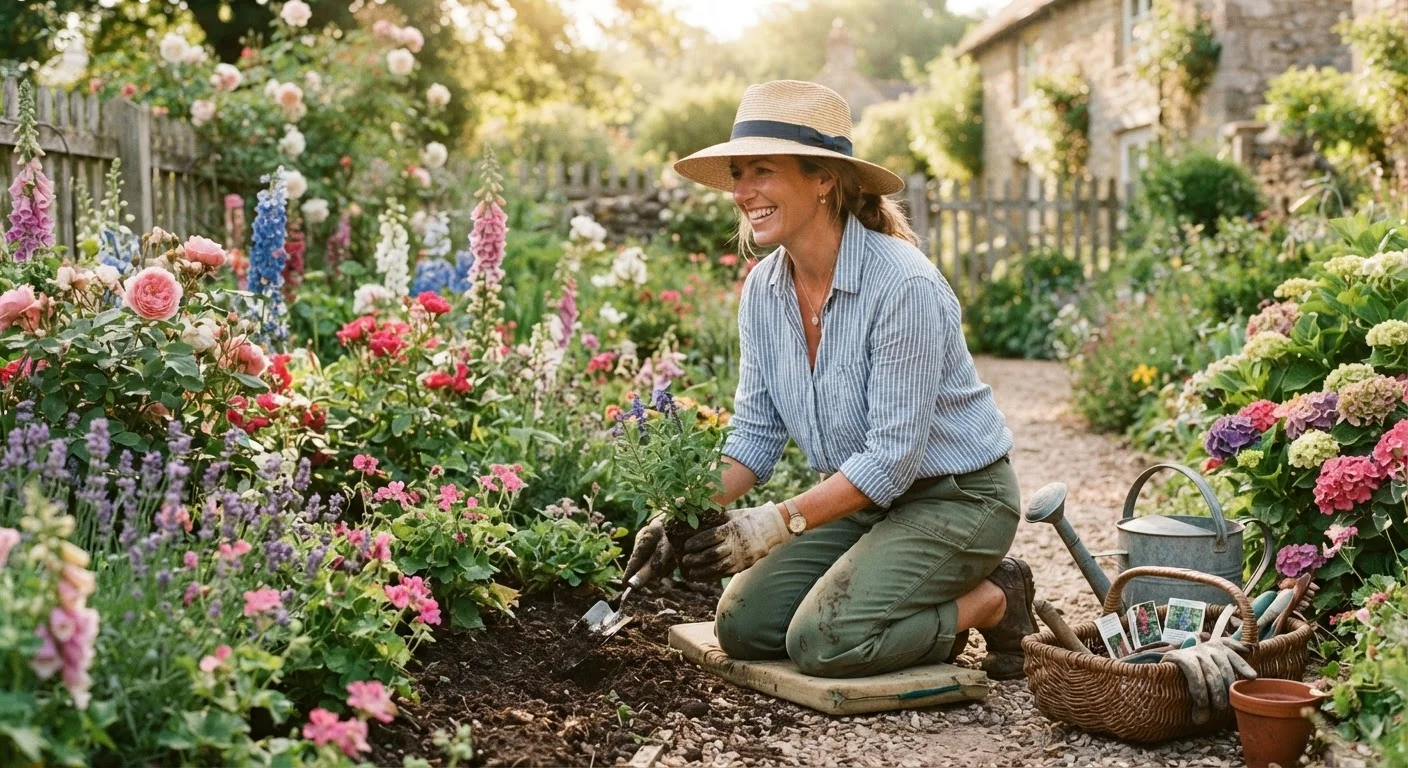
Digging, raking, planting, and hauling bags of soil are genuinely physical tasks that recruit muscle groups throughout your body. Research consistently groups gardening among moderate-intensity physical activities, and the added benefit of a tangible, visible result — a tidy garden, fresh vegetables — provides motivation that a treadmill rarely can.
Gardening is a moderate-intensity activity that builds strength while producing something real.
Swimming and water-based movement
Water exercise removes most of the joint impact that makes activities like running uncomfortable for many people. Whether you're doing laps, water aerobics, or casual recreational swimming, the resistance water provides means your muscles are working even when it doesn't feel that way. Our overview of low-impact cardio explains why gentler options are often just as effective.
Water's natural resistance means your muscles work hard even when it doesn't feel strenuous.
Walking with purpose or a destination
Plain walking often gets dismissed as too easy — which undersells it considerably. Consistent walking supports cardiovascular health, mood, and metabolic function in ways that are well-documented and broadly applicable across fitness levels. The trick for people who find it boring is adding purpose: walking to a coffee shop, exploring a new neighborhood, or listening to a podcast or audiobook you only allow during walks. Walking as exercise deserves more credit than it typically gets.
Attaching walking to a destination or reward makes it far easier to sustain over time.
Cycling for transportation, not training
Cycling to run errands, commute, or visit friends reframes movement as a means to an end rather than an activity in itself. This approach — sometimes called active transportation — means you accumulate physical activity without carving out dedicated workout time. If you're curious about alternatives to car-dependent travel, our transportation options hub covers a range of practical approaches.
Using a bicycle for errands turns daily travel into built-in physical activity.
Recreational sports with low competitive pressure
Recreational leagues and casual group activities — bocce, pickleball, cornhole, disc golf — emphasize social connection over athletic performance. That lower-stakes environment matters: when the primary goal is fun with other people, attendance tends to stay consistent even when motivation dips. Most parks and community centers offer drop-in options that require no commitment or equipment.
Casual recreational sports make movement feel social rather than like a personal obligation.
Home-based movement in short bursts
Not every movement session needs to be a structured workout. Stretching during a TV commercial break, doing a few bodyweight movements between tasks, or choosing stairs throughout the day all contribute to your overall activity. Comparing home and gym options honestly can help you figure out which environment works better for your personality and situation.
Short bursts of home movement throughout the day add up more than most people expect.
Building a Habit That Actually Sticks
The activities above share one important trait: they can fit into a real life rather than demanding you reorganize your entire schedule around them. Movement woven into things you already enjoy — or already have to do — is far more likely to become a lasting habit than a rigid workout routine you dread.
If time is a barrier, fitting movement into a busy day without restructuring your schedule is genuinely possible with small, intentional choices. And if you're curious about how to build on early momentum, explore what sustainable fitness principles look like in practice over the long term.
The best activity is always the one you'll actually keep doing. Give yourself permission to call it movement — not exercise — if that helps.
Every Body Is Different
Some of the activities listed here may not be appropriate for everyone, particularly those managing injuries, chronic conditions, or physical limitations. What works well for one person may need modification — or may not suit another at all. When in doubt about whether a specific activity is right for your situation, a conversation with your doctor or a physical therapist is the most reliable next step.
This article is for general informational purposes only and is not a substitute for personalized medical or fitness advice. If you have a health condition, injury, or other concern, please consult a qualified healthcare professional before starting any new physical activity.