
Meditation, Deep Breathing, and Progressive Muscle Relaxation: Which Suits You?

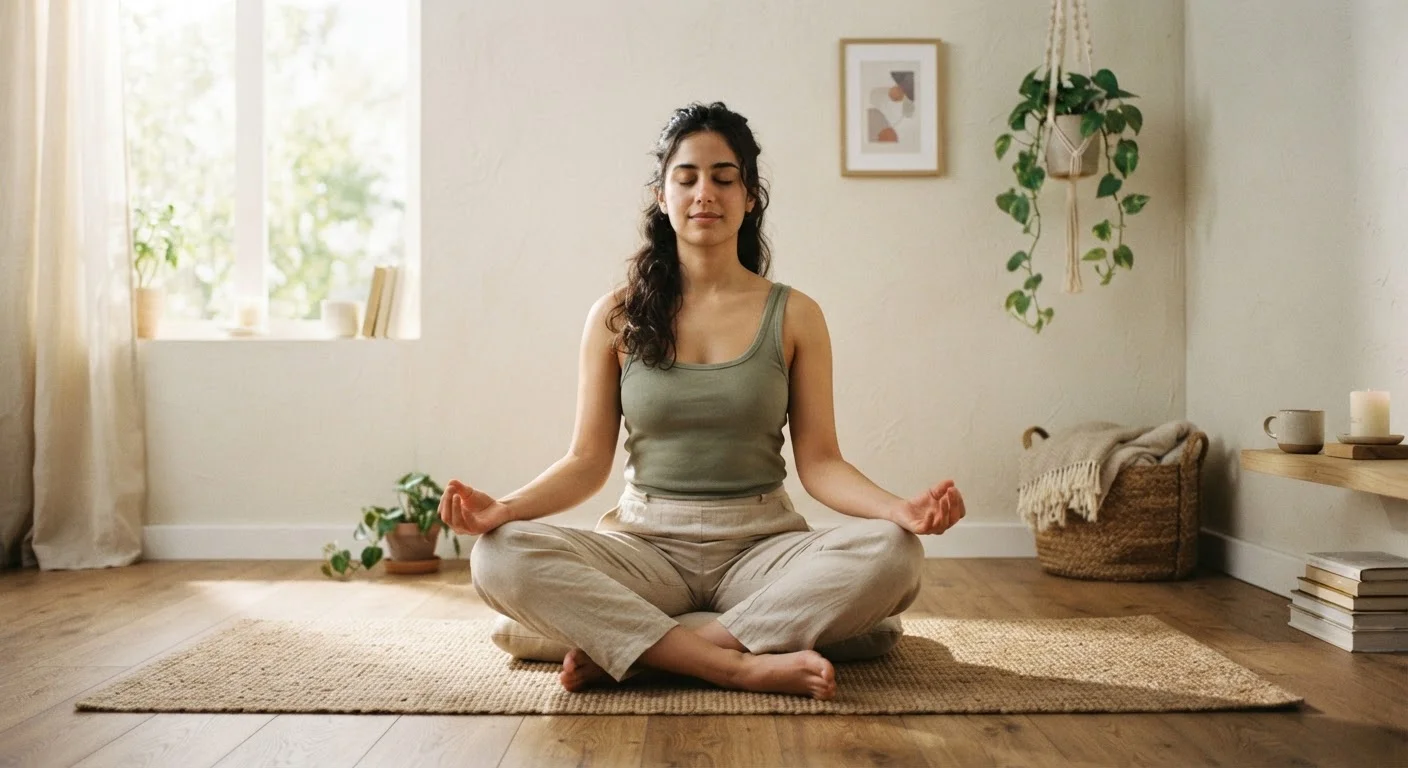
Key Takeaways
- Meditation, deep breathing, and progressive muscle relaxation each target stress differently — none is universally superior.
- Deep breathing is the most accessible option, requiring no training and working in under two minutes.
- Progressive muscle relaxation is especially helpful for people who carry tension physically in their body.
- Meditation offers the broadest long-term benefits but typically requires more consistent practice to see results.
- These techniques can be combined; you don't have to choose just one.
Our Verdict
All three techniques are well-supported by research and free to practice anywhere. Your best fit depends on whether you respond more to mental focus, physical release, or breath control — and how much time you realistically have each day.
| Best for | Recommended |
|---|---|
| People who want a quick, anytime stress reset | Deep Breathing |
| Those who carry stress as physical muscle tension | Progressive Muscle Relaxation |
| Anyone seeking long-term emotional resilience and focus | Meditation |
| Beginners unsure where to start | Deep Breathing |
Why Relaxation Techniques Matter
Chronic stress is one of the most common health concerns in everyday American life — affecting sleep, mood, digestion, and even immune function. The good news is that structured relaxation practices don't require expensive equipment, a gym membership, or expert training to begin. Three of the most researched approaches are meditation, deep breathing, and progressive muscle relaxation (PMR).
Each works through a different mechanism. Understanding how they differ helps you pick one that fits your personality, schedule, and the way stress actually shows up in your body. You might also find that pairing two techniques — say, deep breathing alongside journaling for mental clarity — gives you an even more well-rounded toolkit.
This article is for general informational purposes only and is not a substitute for professional medical or mental health advice. If you are experiencing significant anxiety, depression, or other mental health concerns, please speak with a qualified healthcare provider.
How Each Technique Works
Meditation
Meditation trains your attention. Most foundational forms — including mindfulness meditation — ask you to observe thoughts, sensations, or breath without reacting to them. Over time, this builds a kind of mental distance from stressors. Research published through institutions like the National Institutes of Health (NIH) suggests regular meditation practice may support reduced anxiety, improved focus, and better emotional regulation. Most beginners start with five to ten minutes per session.
Deep Breathing
Also called diaphragmatic breathing or belly breathing, this technique activates the body's parasympathetic nervous system — the branch responsible for the "rest and digest" state. By slowing and deepening the breath, you can lower heart rate and ease the physical signs of stress within minutes. It requires no setup, no quiet room, and no prior experience. A common pattern is inhaling for four counts, holding briefly, and exhaling for six to eight counts, though exact patterns vary.
Progressive Muscle Relaxation (PMR)
Developed by physician Edmund Jacobson in the early 20th century, PMR works by systematically tensing and then releasing muscle groups throughout the body. The deliberate contrast between tension and release helps people recognize — and let go of — physical stress they may not even realize they're holding. Sessions typically run 15 to 20 minutes and are often done lying down.
| Meditation | Deep Breathing | Progressive Muscle Relaxation | |
|---|---|---|---|
| Time needed per session | 5–20+ minutes | 1–5 minutes | 15–20 minutes |
| Learning curve | Moderate | Very low | Low to moderate |
| Best for | Long-term emotional resilience | Quick, anytime stress relief | Physical tension and muscle stress |
| Can do anywhere | Mostly yes | Yes | Best lying down or seated |
| Evidence base | Strong (anxiety, focus, mood) | Strong (heart rate, acute stress) | Strong (tension, sleep, anxiety) |
| Ideal for beginners | With guidance | Yes | Yes |
Choosing What Fits Your Life
There's no single "correct" relaxation technique. Your choice will depend on a few practical factors:
- Time available: Deep breathing works in 60–90 seconds; PMR and meditation generally benefit from longer, dedicated sessions.
- Where stress lives in your body: If you clench your jaw, hunch your shoulders, or experience muscle soreness during stressful periods, PMR may give you the most immediate relief.
- Your relationship with stillness: Some people find sitting quietly for meditation deeply uncomfortable at first. Deep breathing or PMR — which give your mind a physical task to follow — can be easier entry points.
- Long-term goals: If you're looking to build emotional resilience and self-awareness over months, meditation has the deepest evidence base for those outcomes.
Start Small and Build Gradually
You don't need a 30-minute practice to see results. Even two to five minutes of consistent daily effort builds a habit your brain starts to rely on. Try anchoring your chosen technique to an existing routine — after brushing your teeth, before your morning coffee, or at the end of your workday — to make it easier to stick with.
These techniques also complement broader wellness habits. Small daily habits layered around a relaxation practice can meaningfully shift how you feel over time. And if you're ready to go further, consider building a personalised stress-management plan that incorporates whichever technique resonates most.
Getting Started Without Overthinking It
One of the most common barriers to relaxation practices is the belief that you're "doing it wrong." You're not. Each of these techniques rewards consistency over perfection. A few realistic starting points:
- Try deep breathing first — it's forgiving, fast, and effective enough to validate that these practices can actually work for you.
- If you want to explore meditation, free guided sessions are widely available through public libraries, apps, and YouTube — no purchase required.
- For PMR, many hospitals and university health centers publish free audio guides; a quick search will surface reliable options.
The goal isn't to eliminate stress entirely — that's not realistic. The goal is to give your nervous system a reliable way to recover. Whether you're managing a packed workday or winding down before sleep, having even one of these tools practiced and ready makes a genuine difference.
~77%
Adults reporting physical stress symptoms
According to the American Psychological Association's Stress in America surveys, a large majority of adults experience physical symptoms linked to stress.
8 weeks
Typical timeframe for meditation benefits
Multiple studies, including research reviewed by NIH, suggest consistent mindfulness meditation over roughly eight weeks is associated with measurable reductions in self-reported anxiety.
For those curious about how physical movement intersects with mental wellness, our cardio vs. strength training comparison is a useful next step. And if screen time feels like a barrier to unwinding, explore the honest trade-offs of a digital detox.