

Key Takeaways
- Home inspectors evaluate structure, roofing, plumbing, electrical, HVAC, and more in a single visit.
- Inspections typically last two to four hours and cost between $300 and $500 for an average-sized home.
- Not every issue in the report is a dealbreaker — inspectors note conditions, not verdicts.
- Serious findings can be used to negotiate repairs, credits, or a lower purchase price.
- Specialty inspections (radon, mold, sewer) go beyond the standard report and may be worth adding.
Home Inspection
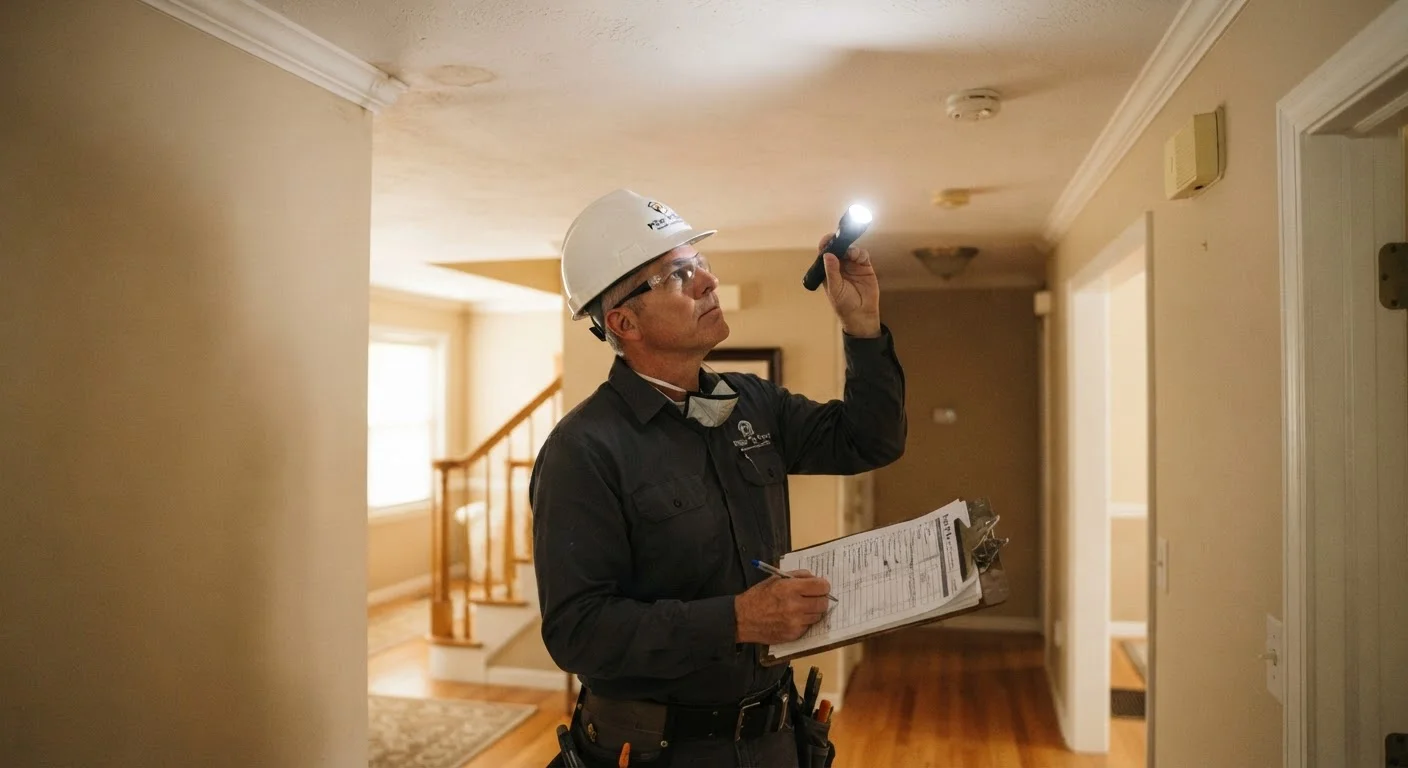
A home inspection is a professional, visual examination of a property's physical condition carried out by a licensed inspector — typically after a purchase offer is accepted but before closing. The inspector evaluates major systems and structural elements, then produces a written report documenting their findings. Buyers use this report to understand the property's condition and, when appropriate, to negotiate repairs or price adjustments with the seller.
Home inspections are non-invasive: inspectors examine only what is visible and accessible. They do not open walls, move furniture, or test concealed wiring — meaning some issues may go undetected until further investigation.
What Inspectors Examine Room by Room
A licensed home inspector works through a property systematically, evaluating every major system and structural component that is visible and safely accessible. As part of the broader home-buying process, the inspection is one of your clearest opportunities to understand exactly what you are purchasing.
Here is what a standard inspection covers:
- Roof: Condition of shingles or other roofing material, flashing, gutters, downspouts, and visible signs of water intrusion.
- Foundation and structure: Cracks, settling, water staining, and the condition of visible framing in basements or crawl spaces.
- Electrical system: Panel condition, wiring type, grounding, GFCI outlets in wet areas, and visible safety hazards.
- Plumbing: Water pressure, drain function, visible pipe condition, water heater age and operation, and signs of leaks.
- HVAC systems: Heating and cooling equipment condition, approximate age, filter condition, and ductwork where visible.
- Insulation and ventilation: Attic insulation levels, vapor barriers, and exhaust venting for bathrooms and kitchen.
- Interior spaces: Walls, ceilings, floors, windows, doors, and stairways — checked for damage, moisture, and proper operation.
- Exterior: Siding, grading (slope away from the foundation), driveways, decks, and visible drainage.
Inspectors document all findings with photographs and written descriptions. The goal is a complete factual record, not a pass/fail verdict.
$300–$500
Typical cost for a standard home inspection
According to the American Society of Home Inspectors (ASHI), the average home inspection for a single-family home falls within this range, varying by region and property size.
2–4 hours
Average duration of a home inspection
Industry guidelines suggest inspectors spend approximately one hour per 1,000 square feet of living space, though this varies based on the home's age and complexity.
86%
Buyers who say inspection found at least one issue
Data from the National Association of Realtors has consistently shown that the vast majority of home inspections uncover at least one item requiring attention.
How to Read the Report: Severity Levels Explained
Inspection reports can run 30 to 60 pages and list dozens of items — which can feel alarming even when many findings are routine. Understanding how inspectors categorize issues helps put the report in perspective.
Most inspectors use a tiered system, though exact language varies:
- Safety hazards
- Items that pose an immediate risk — exposed wiring, missing handrails, carbon monoxide concerns. These typically need professional attention before or immediately after closing.
- Major defects
- Conditions that significantly affect the home's value or livability — a failing roof, cracked foundation, or inoperative HVAC system. These often become the focus of post-inspection negotiations.
- Maintenance items
- Wear-and-tear issues that every older home accumulates — caulking gaps, slow drains, minor gutter debris. These are noted for your awareness but are rarely negotiating leverage.
When reviewing your report, focus on safety hazards and major defects first. A long list of maintenance items on an older home is expected and does not necessarily signal a problematic purchase. Ask your inspector which items genuinely warrant action versus which are routine observations.
Attend Your Inspection in Person
Walking through the home with the inspector is one of the most valuable things a buyer can do. Inspectors can point out issues in context, explain severity, and answer questions on the spot — nuance that is hard to convey in a written report alone. Block out the full inspection window in your schedule and bring a notepad.
Using the Report in Negotiations
The inspection report is an informational document — how you use it depends on your contract terms and your priorities as a buyer. If your offer includes an inspection contingency (as most do), you generally have three options after reviewing findings:
- Request repairs. Ask the seller to fix specific items before closing, typically those classified as safety hazards or major defects. Get repair commitments in writing and, where possible, require licensed contractors.
- Request a price reduction or credit. Rather than having the seller manage repairs, you can ask for a dollar amount off the purchase price — or a closing cost credit — to handle the work yourself after closing. This can be preferable when you want control over the quality of repairs.
- Accept the property as-is. If the findings are manageable or already reflected in the price, you may choose to proceed without requesting changes.
Sellers are not required to agree to any request, and negotiations depend heavily on local market conditions. In a competitive market, buyers may have less leverage; in a slower market, serious findings give buyers stronger footing. For a deeper look at how offers and contingencies interact, see our guide on making an offer on a house.
One common misstep is trying to negotiate every item on the report. Prioritize the findings that matter most — sellers are more receptive when requests are focused and supported by the inspector's documentation.
Specialty Inspections Worth Considering
A general home inspection is comprehensive, but it has defined limits. Certain risks require separate, specialist testing that goes beyond what a standard inspector is qualified to assess.
- Radon testing: Radon is a naturally occurring radioactive gas that can accumulate in lower levels of a home. Testing is inexpensive and widely recommended, particularly in regions with higher radon prevalence.
- Sewer scope: A camera inspection of the main sewer line reveals blockages, root intrusion, or pipe deterioration — issues that can cost thousands to repair and won't appear in a standard inspection.
- Mold and moisture testing: Warranted when the inspection reveals water damage, musty odors, or visible staining that may indicate mold growth.
- Chimney inspection: A Level II chimney inspection by a certified chimney sweep assesses the flue liner and internal components that a home inspector cannot fully evaluate.
- Pest inspection: Some lenders require wood-destroying organism (WDO) reports. Even when not required, termite or carpenter ant damage is worth ruling out in susceptible climates.
Specialty inspections add cost — typically $100 to $300 each — but can surface issues that would otherwise only appear after you move in. Knowing what to ask your inspector before and during the visit will help you decide which add-ons are appropriate for the specific property. Once you own the home, the inspection report also becomes a useful baseline for your annual homeownership cost review.
Inspection Reports Are Point-in-Time Documents
A home inspection reflects conditions on a single day. Systems can change — a water heater can fail the week after closing, or a hidden leak can surface after heavy rain. The inspection reduces uncertainty; it does not eliminate it. For the same reason, a clean inspection report on a home you are considering buying is reassuring, but should not be treated as a guarantee of future performance. See how this parallels the limitations of vehicle history reports when buying a used car.