

Key Takeaways
- A sinking fund is money set aside monthly for a specific future expense you can predict.
- It prevents irregular costs from disrupting your budget or forcing you into debt.
- You can maintain multiple sinking funds simultaneously for different goals.
- Even small monthly contributions add up meaningfully over 6–12 months.
- Sinking funds are different from emergency funds, which cover unexpected events.
Sinking Fund
A sinking fund is a dedicated savings pool you build up gradually to cover a specific, anticipated expense — one that doesn't happen every month but will happen eventually. Instead of scrambling for cash when the bill arrives, you set aside a small amount each month until you've reached the goal. The result is a predictable, stress-free way to pay for things like car registration, holiday gifts, or home repairs.
Unlike an emergency fund — which covers unexpected events — a sinking fund is used for known, foreseeable costs. Each fund is typically kept in a separate savings bucket or sub-account to prevent the money from being spent on day-to-day needs.
Why Irregular Expenses Break Most Budgets
Most household budgets are built around recurring monthly costs: rent, utilities, groceries. But many real expenses don't fit that pattern. Car registration, dental work, holiday gifts, back-to-school shopping, and annual insurance premiums all arrive on their own schedules — and when they do, they can throw even careful budgeters off track.
The result is a cycle many people recognize: an unexpected-but-predictable bill lands, there's not enough slack in the checking account, and the cost ends up on a credit card or borrowed from savings meant for something else. A sinking fund interrupts that cycle before it starts.
For a broader look at which costs tend to blindside budgeters, see The Hidden Costs Most Budgets Forget to Include.
36%
Americans with no emergency savings buffer
A Bankrate survey found roughly one-third of U.S. adults have no dedicated savings to cover unexpected or irregular expenses.
$1,000+
Average unplanned car repair bill
Industry estimates suggest the average unexpected vehicle repair costs over $1,000, a sum that strains most monthly budgets without prior planning.
How a Sinking Fund Actually Works
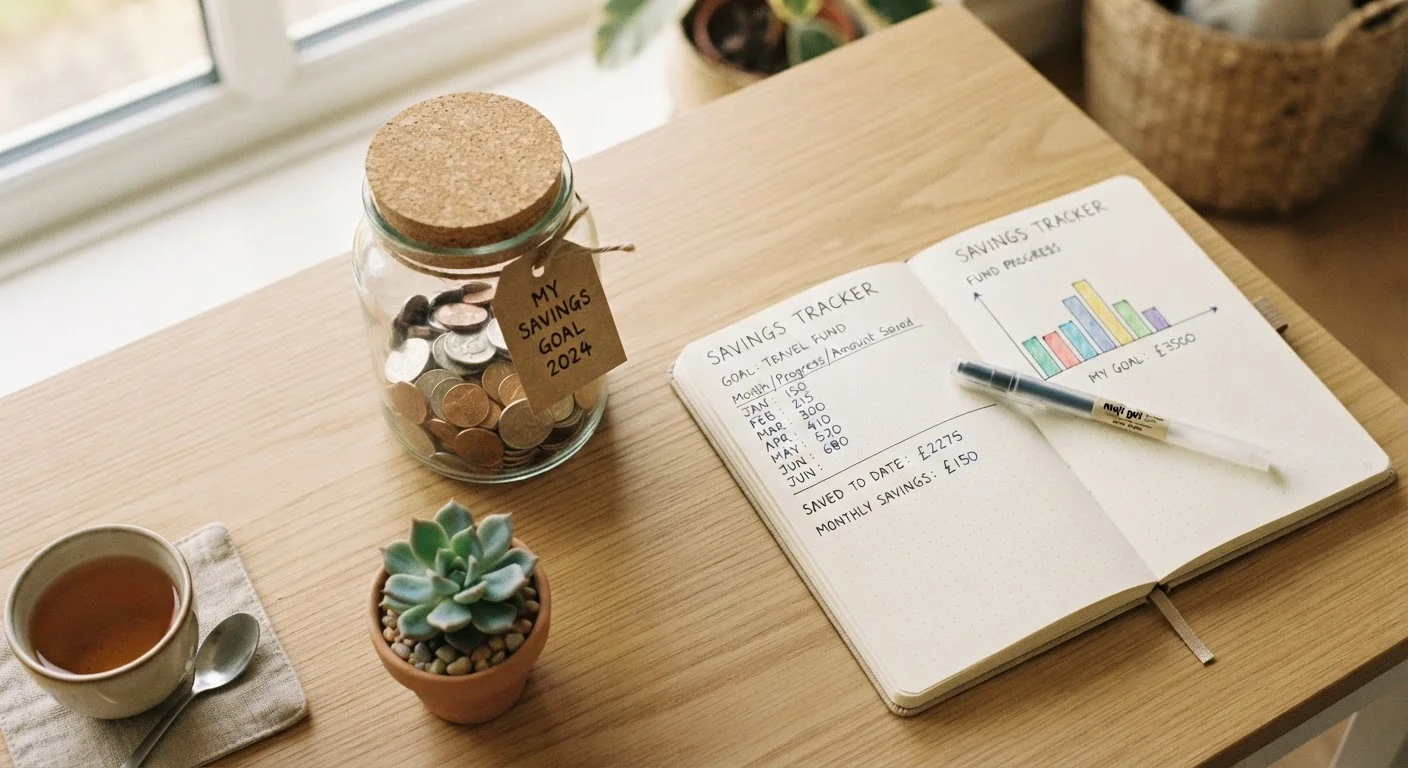
The mechanics are simple. You identify an upcoming expense, estimate its total cost, decide when you'll need the money, and divide the total by the number of months remaining. That monthly amount becomes a budget line — a bill you pay to yourself.
For example: if you expect to spend $900 on holiday gifts and travel in December, and you start saving in January, you need to set aside $75 per month. By December, the money is already there. No scrambling, no debt.
The key discipline is treating the monthly contribution as non-negotiable. Automating the transfer to a dedicated account on payday — before you have a chance to spend it — makes this much easier to sustain. This ties directly into the habits that keep a budget working long-term.
Automate to Make It Effortless
Set up an automatic transfer to your sinking fund account the same day your paycheck hits. When the money moves before you see it in your checking account, you're far less likely to spend it elsewhere. Even a modest, consistent contribution compounds meaningfully over a full year.
Common Uses for Sinking Funds
Sinking funds work for virtually any foreseeable, irregular cost. Common categories households use them for include:
- Vehicle costs: Registration fees, annual inspections, tires, or a routine service interval
- Home maintenance: HVAC servicing, gutter cleaning, or appliance replacement — especially relevant for homeowners. See also Building a Home Emergency Fund: How Much Is Enough?
- Medical and dental: Annual deductibles, glasses, or out-of-pocket dental work
- Travel and vacations: Flights, lodging, and spending money for a planned trip
- Seasonal and holiday spending: Gifts, decorations, or family gatherings
- Insurance premiums: Policies billed semi-annually or annually
You don't need a fund for every category on day one. Start with the one or two irregular expenses that have caught you off guard most recently, then expand as the habit takes hold.
Setting Up Your First Sinking Fund
Getting started requires just a few steps:
- List your irregular expenses. Review last year's bank and credit card statements to find costs that didn't appear every month. Note what you actually spent.
- Estimate and prioritize. Pick the expense most likely to disrupt your budget in the next six to twelve months and calculate the monthly savings target.
- Open a separate account or sub-account. Keeping the money distinct from your everyday spending is important. Many banks allow you to create named sub-accounts within a single savings account.
- Automate the transfer. Set up a recurring transfer for the monthly contribution, timed to coincide with your payday.
- Track and adjust. Check each fund's balance every month when you review your budget. Adjust contributions if your timeline or estimate changes.
If your income fluctuates from month to month, sinking funds still apply — you may just need to adjust contribution amounts in lower-income months. The article on budgeting on an irregular income covers strategies for making variable-income budgets work.
This article is for general informational and educational purposes only and does not constitute personalized financial advice. Consider consulting a qualified financial professional for guidance specific to your situation.