

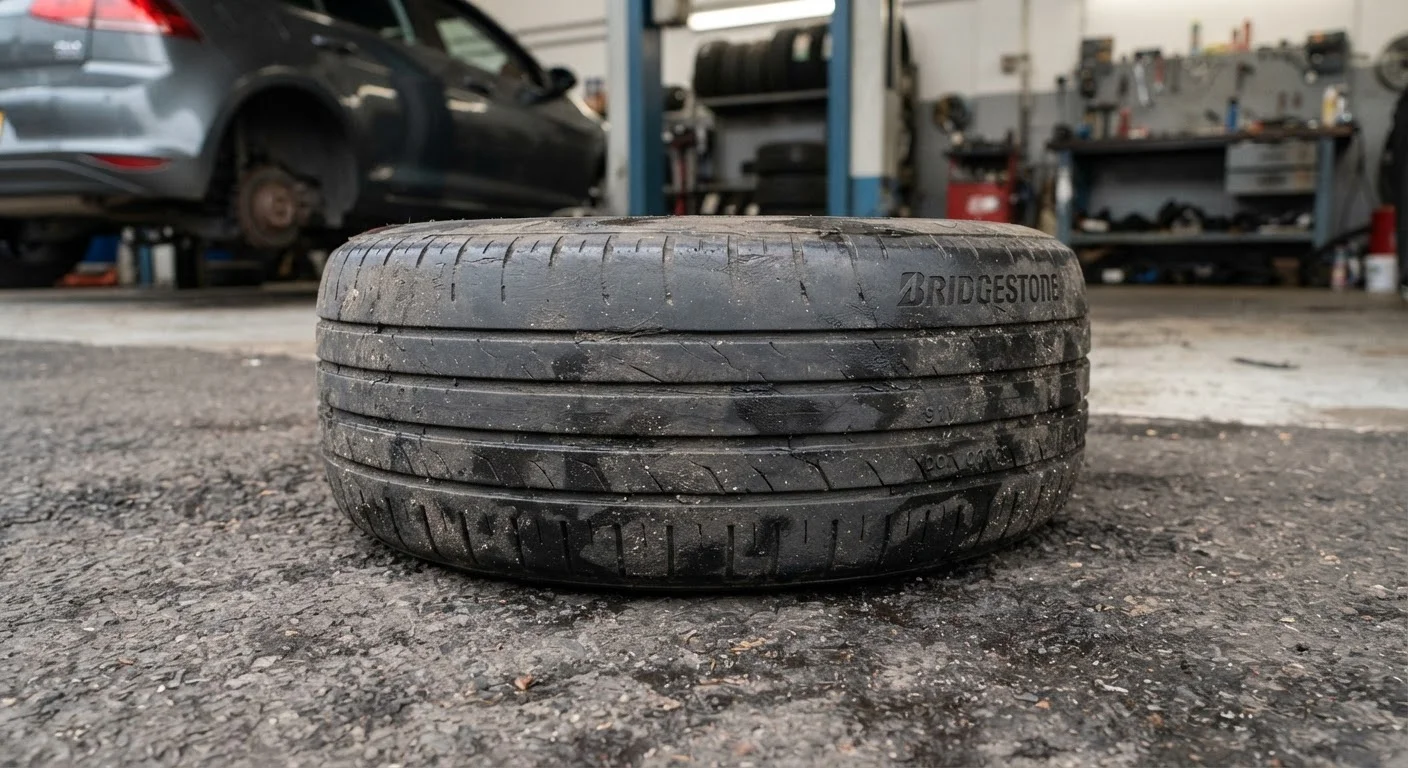
Key Takeaways
- Most drivers replace tyres two to four times over a vehicle's lifespan, depending on mileage and driving habits.
- Tyre costs vary significantly based on vehicle type, tyre size, and how aggressively a vehicle is driven.
- Installation fees, alignment checks, and disposal charges add to the sticker price of new tyres.
- Routine maintenance like rotation and proper inflation can meaningfully extend tyre life.
- Planning for tyre replacement as a recurring budget line helps avoid financial surprises.
Lifetime Tyre Cost
Lifetime tyre cost refers to the total amount a driver spends on tyre purchases, installation, balancing, and related services over the entire period they own a vehicle. Because tyres wear out and must be replaced multiple times, this figure can add up to thousands of dollars across a vehicle's life. Most drivers underestimate this expense because the cost is spread out over years rather than paid all at once.
Tyre cost calculations typically include the tyre unit price, mounting and balancing fees, valve stems, disposal fees, and any alignment work needed at replacement - all of which vary by tyre size and service provider.
Why Tyre Costs Catch Drivers Off Guard
When people think about car ownership costs, they usually focus on fuel, insurance, and loan payments. Tyres tend to fall off the radar - until a set wears out and the bill arrives all at once. The reality is that tyres are a guaranteed recurring expense for every driver. Unlike some maintenance items that only some vehicles need, every car eventually needs new rubber.
The challenge is that tyre costs are lumpy. You might go two or three years without thinking about them, then suddenly face a $600-$1,000 purchase. Drivers who haven't set aside money for this expense often feel blindsided. Building tyres into your ownership budget as a planned cost - rather than treating them as an emergency - is one of the more practical steps any driver can take. See our practical guide to budgeting for car ownership for a framework that covers this and other recurring expenses.
25,000-50,000
Typical passenger tyre mileage range
Industry treadwear ratings suggest most standard all-season passenger car tyres fall within this range under normal driving conditions.
2-4 sets
Replacement sets over a vehicle's lifetime
For a vehicle kept 8-12 years at average annual mileage, most drivers can expect to purchase two to four complete sets of tyres.
$400-$1,200+
Typical full set replacement cost range
This general range covers tyre unit price plus mounting, balancing, and disposal fees; actual costs vary by vehicle type and local labor rates.
How Many Times Will You Replace Your Tyres?
For a vehicle driven around 15,000 miles per year and kept for ten years, most drivers will go through two to four complete sets of tyres depending on the type of tyre and how the vehicle is used. Tyres on compact sedans with standard all-season fitments tend to last longer than those on trucks, SUVs, or performance vehicles, which often use wider, softer compounds that wear faster.
A few factors drive replacement frequency:
- Annual mileage: Higher mileage means faster tread depletion. A driver putting 20,000 miles per year on their car will go through tyres noticeably faster than someone doing 10,000.
- Tyre treadwear rating: Each tyre carries a standardized treadwear rating. Higher numbers generally indicate longer-lasting rubber, though real-world results vary by driving conditions.
- Vehicle type and weight: Heavier vehicles and those with all-wheel drive tend to wear tyres more quickly.
- Road and climate conditions: Gravel, extreme heat, and frequent hard stops all accelerate wear.
For a fuller picture of where tyre costs fit among all your vehicle expenses, the annual vehicle running costs reference guide breaks down each major category.
Breaking Down the True Cost of a Tyre Replacement
The price you see advertised for a tyre is rarely what you pay at the register. A realistic replacement budget should account for several line items beyond the tyre unit price:
- Mounting and balancing: Shops typically charge per tyre. On a full set of four, this can add $60-$120 or more depending on location.
- Valve stems: Small cost, but often replaced at the same time.
- Tyre disposal: Most shops charge a per-tyre disposal fee to cover recycling costs.
- Wheel alignment: Not always required, but recommended when wear patterns suggest the vehicle is pulling or when tyres have worn unevenly. A proper alignment extends the life of the new set.
When you add these items to the tyre price itself, the total cost for a full replacement on a mid-size passenger car typically lands well above the base advertised price. Always ask for a written itemized estimate before authorizing work.
Always Request an Itemized Quote
Before approving any tyre work, ask the shop to provide a written quote that lists each charge separately - tyres, mounting, balancing, valve stems, disposal, and any alignment fees. This makes it easy to understand what you're paying for and avoids bill shock at pickup. Shops are generally happy to provide this when asked.
Stretching Tyre Life With Basic Maintenance
While tyres will always need replacing eventually, consistent maintenance habits can push that timeline further out. Three practices make the biggest difference:
- Regular rotation: Moving tyres from front to back (and sometimes side to side) at the interval recommended in your owner's manual - commonly every 5,000 to 7,500 miles - evens out wear across all four. This alone can add thousands of miles of usable life to a set.
- Proper inflation: Underinflated tyres build excessive heat and wear the outer edges faster. Overinflated tyres wear the center faster. Check pressure monthly and after significant temperature changes. Your vehicle's recommended pressure is on the door jamb sticker, not the sidewall of the tyre.
- Wheel alignment checks: Misaligned wheels cause uneven, accelerated wear. If your car pulls to one side or you notice uneven tread wear, have a qualified mechanic check alignment.
These steps won't eliminate the cost of tyres, but they can delay replacement and reduce how much you spend per mile of tyre life. Tyre expenses are just one piece of the broader ownership picture - see car ownership costs beginners always underestimate for a complete overview of expenses new drivers often miss.
When to Check Tyre Tread Depth
The U.S. standard minimum safe tread depth is 2/32 of an inch, but many safety organizations recommend considering replacement at 4/32 for better wet-weather performance. A quick check with a tread depth gauge - available inexpensively at auto parts stores - takes less than a minute and should be part of any routine tyre inspection.
Planning Tyre Costs Into Your Vehicle Budget
A straightforward way to prepare for tyre replacement is to estimate your likely total lifetime tyre spend and divide it into a monthly savings figure. As a rough illustration: if you expect to spend around $800 per full replacement set and go through three sets over ten years, that's $2,400 total - or about $20 per month set aside. Your actual numbers will vary based on vehicle, tyre type, and local costs.
Drivers who treat this as a planned expense rather than an emergency tend to make better decisions at replacement time. They're less likely to defer a necessary replacement (a safety risk) or rush into a purchase without comparing options. Tyres are a safety-critical component - worn tyres reduce braking distance and wet-weather grip - so the goal of budgeting isn't just financial, it's also about being ready to replace when the time comes rather than waiting until wear is dangerous.
For a broader look at how tyres fit into total vehicle costs alongside depreciation, insurance, and fuel, see total cost of car ownership.
This article is for general informational purposes only. Tyre costs and replacement intervals vary by vehicle, driving conditions, and region. Consult a qualified mechanic for guidance specific to your vehicle.