
Building a Multi-Modal Routine: How to Combine Transit, Biking, and Rideshare

Key Takeaways
- Multi-modal commuting combines two or more transportation types to move through a single trip more efficiently.
- Mapping your actual travel patterns before committing to any pass or tool prevents wasted spending.
- Biking handles short gaps, transit covers distance, and rideshare fills unpredictable or late-night gaps.
- A single planning app or integrated transit account reduces daily friction and helps track real costs.
- Building backup plans into your routine prevents one delayed bus or flat tire from derailing your entire day.
What you will need
Why Multi-Modal Commuting Is Worth the Setup
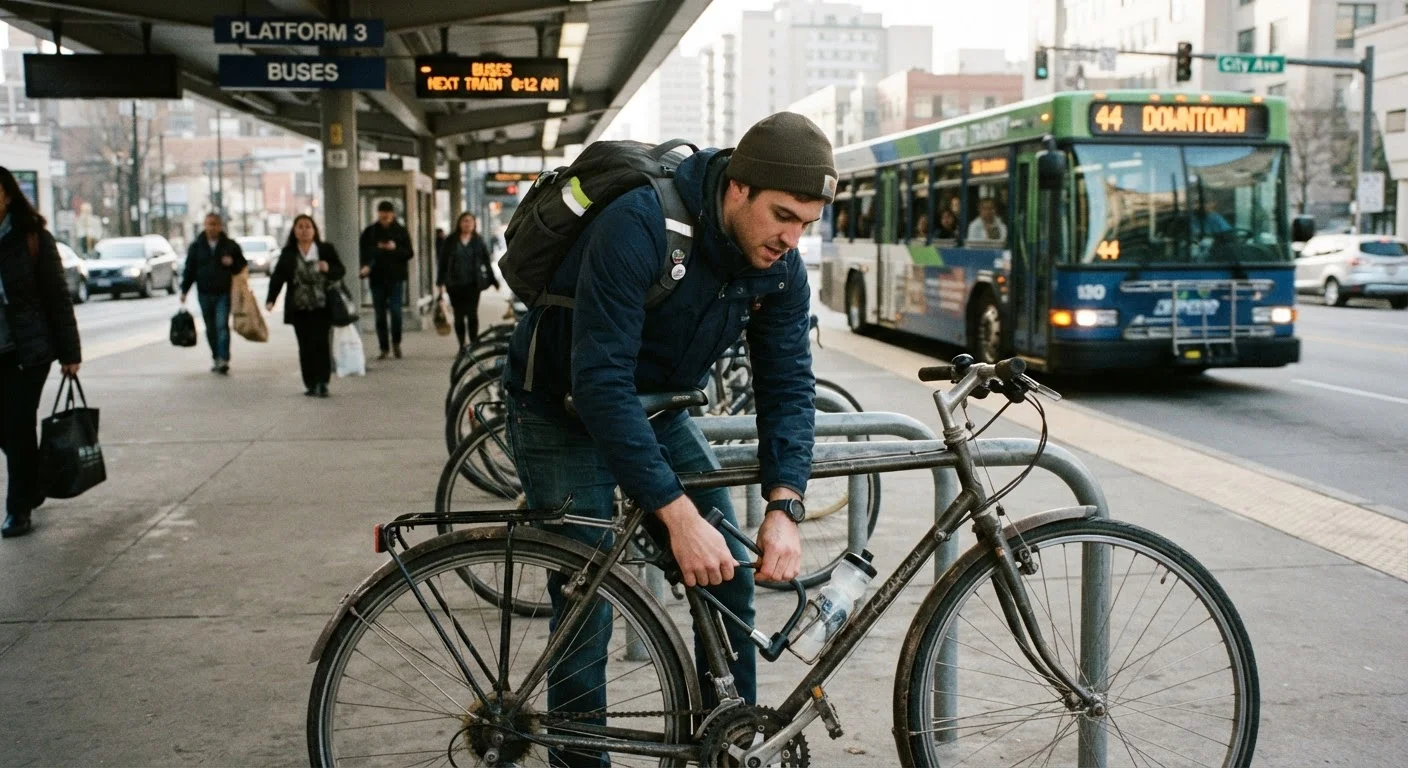
Most people default to one transportation mode and stick with it - usually a car - because consistency feels simpler. But single-mode commuting often means paying for the most expensive option even when it isn't necessary. Multi-modal routines use each mode only where it performs best: transit for long-distance efficiency, biking for short flexible gaps, and rideshare as a controlled backup.
The tradeoff is upfront planning. You need to understand your routes, the transit options available, and the real costs of each mode before you can combine them intelligently. That's what this guide is designed to help you do. If you're starting from scratch on understanding what modes even exist in most US cities, our overview of modern transportation alternatives provides useful context before you begin designing your own routine.
What you will need
What You'll Need Before Getting Started
The tools for a multi-modal routine are mostly digital and low-cost, but having the right ones set up before you change your habits reduces friction significantly.
Local transit agency app or website
View schedules, plan routes, and manage fare payment in one place.
Multi-modal trip planning app (e.g., Google Maps, Transit app)
Compare walking, biking, transit, and rideshare options for any given route simultaneously.
Rideshare account
Provides on-demand transportation for gaps that transit and biking cannot reliably cover.
Bike-share membership or personal bicycle
Covers the short first- or last-mile segments between transit stops and your actual origin or destination.
Reloadable transit card
Speeds up boarding and allows seamless fare transfers between bus, rail, and other transit modes.
Waterproof pannier bag or backpack
Keeps gear dry and hands free when biking portions of your commute in variable weather.
You don't need to use all of these at once. Start with whatever covers your most common trip first, then add layers as you refine the routine.
Step-by-Step: Designing Your Routine
The steps below walk you through building a routine from your actual travel patterns outward - rather than adopting someone else's system and hoping it fits. Work through each step in order; skipping the audit in step one tends to produce a plan that looks clean on paper but fails in practice.
Audit your current travel patterns
Before downloading any app or buying a pass, write down the five to ten trips you make most often - commute, grocery run, appointments, and so on. For each, note the origin, destination, approximate distance, and what time of day it typically happens. This baseline tells you which transportation gaps are real versus theoretical.
Pay attention to which legs of each trip feel most painful: a long parking search, an expensive rideshare, or a 15-minute walk in bad weather. Those pain points are where a new mode is most likely to help.
Map the transit infrastructure around your key routes
Pull up your local transit agency's system map and identify every bus line, rail stop, or ferry terminal within a quarter mile of your most common origins and destinations. Note the frequency - a route that runs every 30 minutes demands different planning than one running every 8 minutes.
For a broader overview of what transit types exist in your area, see our guide to modern transportation alternatives. Understanding which modes are actually available locally is the foundation of any practical routine.
Identify your first- and last-mile gaps
The stretch between your front door and the nearest transit stop - and the stretch from your destination stop to your actual endpoint - is where most multi-modal routines either succeed or break down. Measure these distances honestly. Under a mile is typically walkable for most people; half a mile or less is fast on a bike.
If those gaps are longer or if terrain, weather, or time pressure make walking impractical, this is where a bike-share docking station, a personal bike, or a short rideshare leg fits in. Identify the specific gap first, then match a mode to it.
Decide when rideshare belongs in your routine
Rideshare is most cost-effective as a backup or exception, not a daily foundation. Identify the specific scenarios where it genuinely earns its place: late-night returns when transit has stopped, trips during severe weather, or occasions when you're carrying something too large to bike or bus with comfortably.
Defining these trigger conditions in advance keeps rideshare from quietly becoming the default whenever transit feels inconvenient. Track what you actually spend on rideshare for a month - many people are surprised by the total.
Choose your fare structure for transit
Once you know how often you'll use transit, figure out whether a monthly pass or pay-per-ride makes more financial sense. A pass only saves money if you'll ride enough times to beat the per-trip cost. Our transit pass vs. pay-per-ride breakdown walks through exactly how to do this math for your own situation.
If your usage is irregular - because rideshare or biking covers some days - pay-per-ride or a stored-value card may cost less overall than committing to a monthly pass.
Build your backup plan before you need it
Every mode fails occasionally. A bus runs late, a bike-share dock is empty, or a rideshare surge makes the cost unreasonable. Write down a clear fallback for each segment of your routine before any of this happens. Knowing your backup in advance turns a disruption into a minor inconvenience rather than a stressful scramble.
Common backup structures: if the bike-share dock is empty, walk to the next one or take the bus an extra stop; if rideshare surge pricing is high, check whether a transit alternative can cover the same trip. For broader budgeting strategies that account for variable transportation costs, keeping a small monthly buffer specifically for transportation helps absorb surprise expenses.
Give Yourself a Two-Week Trial Period
Don't expect your routine to feel natural immediately. Most people find the first week slightly awkward as they learn timing and contingencies. Commit to two full weeks before deciding whether any particular combination is working. Small adjustments - leaving five minutes earlier, using a different stop - often fix what feels like a fundamental problem.
Biking as part of your commute also has a side benefit worth noting: it can work physical activity into time you were already spending on transportation. For ideas on how active commuting fits into a broader movement habit, see fitting movement into a busy day.
Tracking Costs and Adjusting Over Time
A multi-modal routine isn't set-and-forget. Prices change, schedules shift, and your own travel patterns evolve. Set a reminder to review your actual transportation spending every two to three months. Compare what you're spending now against what you were spending before, and look at whether rideshare is creeping up as a proportion of total cost.
If you commute regularly with others, shared options like vanpooling or organized carpooling can reduce per-person costs further. Shared commuting options explained covers how those arrangements work in practice. For anyone tracking this as part of a household budget, basic budgeting frameworks can help you categorize and monitor transportation as a discrete spending category.
Don't Let Convenience Silently Inflate Costs
Rideshare and bike-share charges are easy to ignore individually but can add up significantly across a month. If you're not tracking these in a spending tool or app, you may be spending considerably more on transportation than you realize. Review actual charges at least monthly to confirm your multi-modal routine is delivering the savings you expected.