

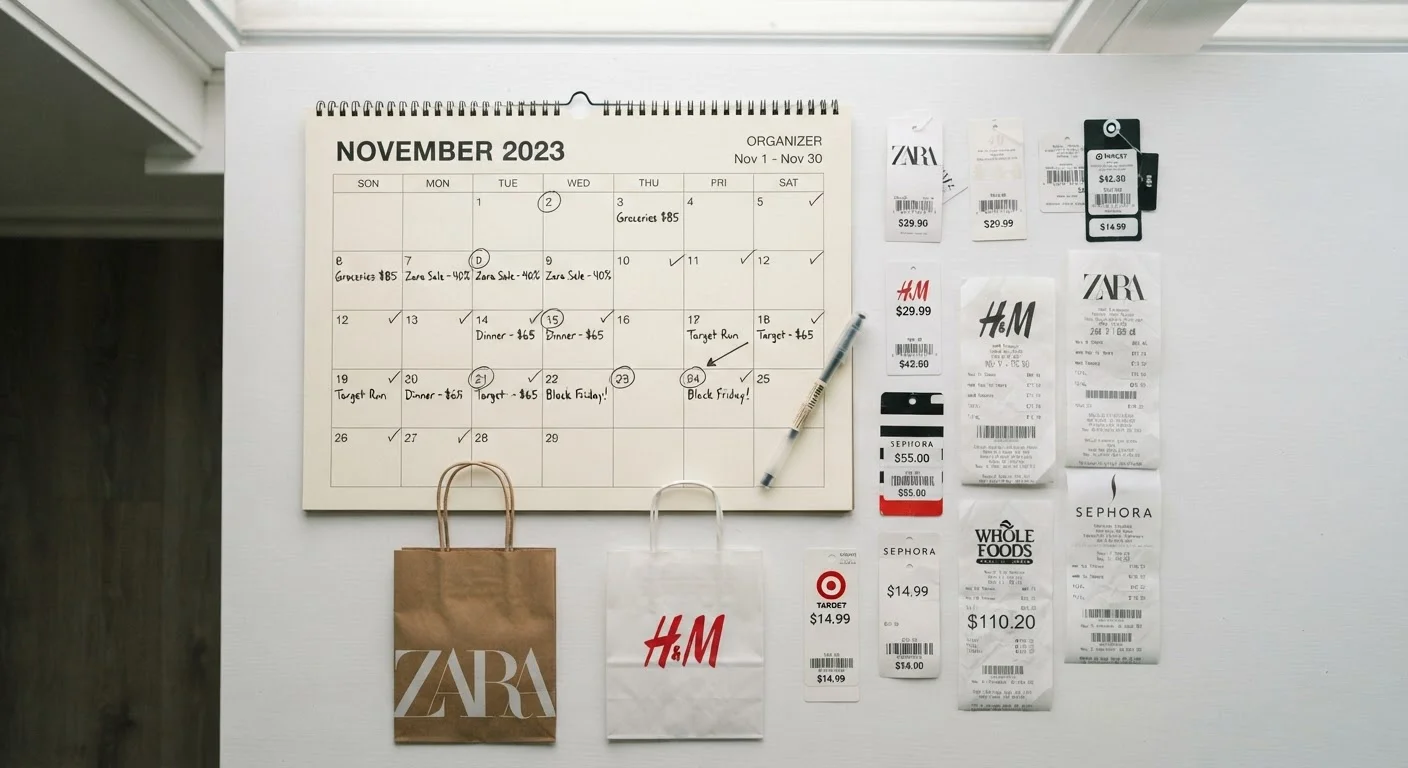
Key Takeaways
- Retailers plan price drops months ahead — the timing is rarely random.
- Specific product categories tend to go on sale at predictable times each year.
- Post-holiday and end-of-season periods are among the most reliable windows for markdowns.
- Knowing the pattern lets you plan purchases instead of reacting to apparent urgency.
- A low price during a non-sale period may still be higher than the seasonal floor.
Retailer Pricing Calendar
A retailer pricing calendar is the predictable, repeating schedule that stores use to raise and lower prices throughout the year. Retailers plan major markdowns months in advance, tying them to seasons, holidays, inventory cycles, and industry norms. Understanding this schedule means you can anticipate when prices on specific product categories are likely to drop — rather than waiting for a sale to appear.
Retailers often call these planned promotional events 'cadence promotions.' Prices are set in conjunction with vendor trade terms, markdown budgets, and planogram reset schedules — meaning the timing is rarely spontaneous.
Why Retailers Discount on a Schedule
Behind every sale tag is a business decision made weeks or months earlier. Retailers operate on inventory cycles tied to supplier shipments, seasonal demand, and fiscal planning. When a new season's merchandise arrives, older stock needs to move — and that means markdowns. When a holiday approaches, promotional budgets get unlocked. These forces create repeating patterns that are surprisingly consistent year over year.
The result is what industry insiders call a promotional calendar: a structured timetable of when specific categories are expected to be marked down. Understanding this rhythm lets you shift from reactive shopping — grabbing something because it looks like a deal today — to proactive planning, where you already know roughly when a category tends to hit its price floor.
For a broader look at how retailers structure pricing beyond the calendar, see how anchoring and decoy pricing work.
~40%
Share of US retail sales occurring during promotional events
Industry analysts have estimated that a significant portion of retail revenue is generated during planned promotional windows rather than at everyday prices.
12–16 weeks
Typical retail promotional planning lead time
Most large US retailers finalize promotional pricing calendars months before the events go live, reflecting the structured nature of markdowns.
4–5x
Frequency of online price changes versus in-store
Research into algorithmic pricing has found that major online retailers update prices far more frequently than physical stores, underscoring the value of timing data.
The Major Price Windows and What They Cover
While exact timing varies by retailer, certain windows are well-established across the US market:
- Post-holiday clearance (late December – January): Holiday merchandise, electronics gifted during the season, and winter apparel all tend to see sharp markdowns as retailers clear space for spring inventory.
- End-of-season apparel sales (February and August): Clothing retailers discount the outgoing season deeply — winter coats in February, summer clothing in August — to make room for incoming stock.
- Memorial Day and Labor Day weekends: Traditionally associated with appliance and furniture promotions, as these are periods when manufacturers offer retailers co-op advertising support for major purchases.
- Back-to-school (July – August): Electronics, school supplies, and dorm essentials typically see competitive pricing during this window.
- November promotional period: The weeks surrounding Thanksgiving have become the primary event for electronics, toys, and general merchandise discounting. Note that prices often rise in early November before dropping, making price history data valuable here.
These windows are tendencies based on broad market patterns — individual retailers may shift timing, and not every product within a category will follow the pattern. Always verify with current price data before assuming a seasonal low has arrived. See how price history tracking works to put calendar knowledge into practice.
Start a Simple Purchase Timing List
Keep a running note of non-urgent items you know you'll eventually need — appliances, seasonal gear, clothing basics. Next to each item, jot down the most likely markdown window based on the category. Revisit the list when that window approaches and check current prices against historical data before deciding. This one habit shifts you from impulse purchasing to intentional purchasing.
How to Use This Knowledge Practically
The pricing calendar is most useful as a planning tool for non-urgent purchases. If you know you'll need a new appliance in the next six months, mapping that purchase to the next likely markdown window — rather than buying the moment you start shopping — can meaningfully affect what you pay.
A few practical approaches:
- Make a list of upcoming planned purchases. Anything you can anticipate — seasonal gear, school supplies, home goods — is a candidate for calendar-aware timing.
- Check price history before buying. A calendar tells you when sales tend to happen; price history tools tell you whether the current price is actually at a seasonal low or just marketed as one. These two inputs work together.
- Watch for inventory signals. When a retailer starts stocking a new model or season's line, the outgoing version often drops. This pattern applies across categories from electronics to clothing to outdoor equipment.
It's also worth recognising how retailers use urgency and framing to make timing feel more critical than it is. Understanding the psychology behind sale design helps you evaluate whether acting now is genuinely in your interest. And for a thorough framework on evaluating value across stores and channels, the complete guide to comparing prices is a useful companion resource.
Patterns Are Tendencies, Not Guarantees
Retailer pricing calendars are informed by decades of industry practice, but they're not fixed rules. Supply chain disruptions, shifts in consumer demand, and changes in a retailer's competitive strategy can all push events earlier, later, or cause them to be skipped entirely. Use seasonal patterns as a starting hypothesis, then validate with current price data before acting. For guidance on distinguishing genuine discounts from manufactured urgency, see how to identify a real deal.