

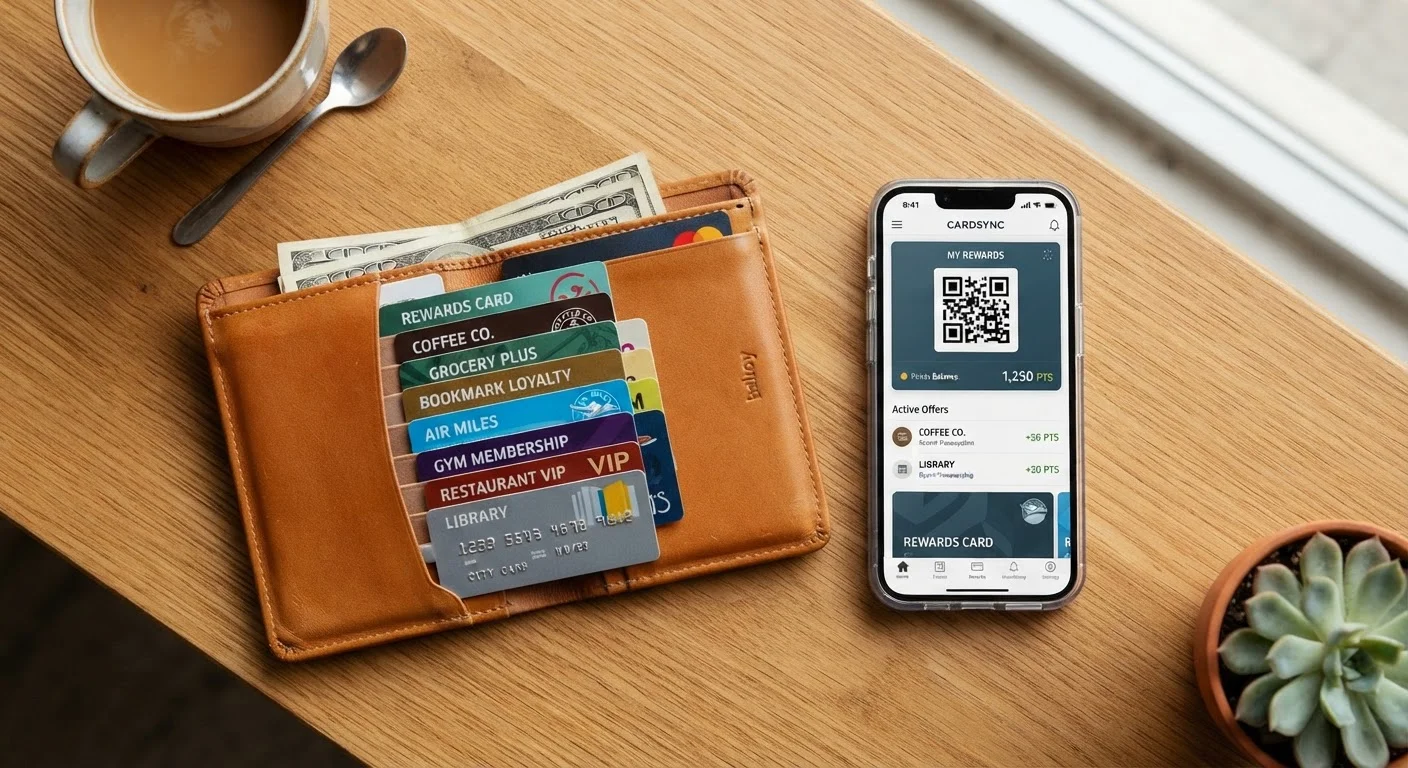
Key Takeaways
- Store loyalty programmes can deliver real savings on purchases you were already going to make.
- Most programmes collect detailed shopping data that retailers use for targeted marketing.
- The value of a programme depends on your actual spending habits, not its advertised perks.
- Points can expire or be devalued, reducing the real-world benefit over time.
- Joining selectively — rather than every available programme — tends to maximise net value.
Earn real savings on planned purchases
When you're buying something regardless, accumulating points or cashback on that spend represents straightforward value. For high-frequency categories like groceries or fuel, even a 1–2% return adds up over a year.
Access to member-only pricing and early sales
Many programmes offer exclusive discounts or pre-sale windows to members, which can be genuinely useful for high-demand items. This advantage is most meaningful when the sale prices are meaningfully lower, not just labelled as exclusive.
Personalised discounts tied to your habits
Retailers use purchase history to generate targeted offers on products you actually buy. While this relies on data sharing, it can result in more relevant savings compared to generic circulars.
Free to join in most cases
The majority of retail loyalty programmes carry no upfront cost, meaning the financial risk of trying one is low. The primary cost is data, not money — which is worth weighing separately.
Detailed purchase data is collected and used
Retailers log what you buy, when, how often, and at what price. This data is used to build a profile that informs marketing decisions and, in some programmes, is shared with third-party partners.
Points can expire before you use them
Many programmes include inactivity clauses that cancel accumulated points after 6–18 months without a qualifying purchase. Irregular shoppers frequently lose balances they expected to redeem.
Programme terms can change without notice
Retailers have historically reduced earn rates, changed redemption thresholds, or discontinued programmes. Points you've accumulated can be devalued at the retailer's discretion.
Designed to increase your overall spending
Loyalty programmes are built around behavioural economics principles that encourage larger baskets and more frequent visits. Spending more to earn a reward can erase the financial benefit entirely.
Information overload from marketing communications
Signing up typically means opting in — explicitly or implicitly — to email, SMS, or app notifications. Managing the volume of promotional messages becomes an ongoing minor friction.
Our Verdict
Store loyalty programmes are neither a pure win nor a straightforward trap. They offer tangible benefits — discounts, early access, and cashback — to shoppers who engage with them intentionally. The meaningful cost is in data sharing and the subtle encouragement to spend more than you planned. Approached with clear eyes, the right programme can stretch a household budget; approached passively, it can work against one.
Consumers who already shop regularly at a particular retailer and are comfortable reviewing privacy settings will get the most from loyalty programmes with the fewest downsides.
How Store Loyalty Programmes Actually Work
A store loyalty programme is a structured incentive system that rewards customers for repeat purchases. You sign up — usually for free — and earn points, stamps, or cashback on eligible spending. Accumulate enough, and you can redeem them for discounts, free items, or exclusive offers.
Programmes generally fall into three types: points-based (earn X points per dollar, redeem at a set rate), tiered (spend more to unlock better benefits), and paid membership (pay an annual or monthly fee for premium perks). Understanding which type you're joining shapes whether the maths work in your favour.
For a broader look at how loyalty schemes compare to other discount mechanisms, see how cashback and promo codes differ.
What You Get: The Real Benefits
When used on purchases you'd already planned, loyalty programmes can represent genuine value. Here's what the upside actually looks like in practice.
Earn real savings on planned purchases
When you're buying something regardless, accumulating points or cashback on that spend represents straightforward value. For high-frequency categories like groceries or fuel, even a 1–2% return adds up over a year.
Access to member-only pricing and early sales
Many programmes offer exclusive discounts or pre-sale windows to members, which can be genuinely useful for high-demand items. This advantage is most meaningful when the sale prices are meaningfully lower, not just labelled as exclusive.
Personalised discounts tied to your habits
Retailers use purchase history to generate targeted offers on products you actually buy. While this relies on data sharing, it can result in more relevant savings compared to generic circulars.
Free to join in most cases
The majority of retail loyalty programmes carry no upfront cost, meaning the financial risk of trying one is low. The primary cost is data, not money — which is worth weighing separately.
~$360
Estimated average annual loyalty reward value per US household
Figures from industry research suggest engaged loyalty members can earn several hundred dollars in annual rewards, though actual value varies widely by programme and spending habits.
72%
Share of US consumers enrolled in at least one loyalty programme
According to widely cited retail industry surveys, the majority of American adults participate in at least one store loyalty scheme, though active engagement rates are considerably lower.
Beyond direct savings, some programmes offer member-only pricing, early access to sales, or free shipping thresholds — benefits that can be meaningfully useful if they align with how you already shop. Tiered programmes may also provide personalised discounts based on your purchase history, which can be well-matched to your needs.
What You Give Up: The Real Costs
The exchange isn't purely financial. Signing up for a loyalty programme means accepting a set of trade-offs that deserve honest consideration before you hand over your details.
Detailed purchase data is collected and used
Retailers log what you buy, when, how often, and at what price. This data is used to build a profile that informs marketing decisions and, in some programmes, is shared with third-party partners.
Points can expire before you use them
Many programmes include inactivity clauses that cancel accumulated points after 6–18 months without a qualifying purchase. Irregular shoppers frequently lose balances they expected to redeem.
Programme terms can change without notice
Retailers have historically reduced earn rates, changed redemption thresholds, or discontinued programmes. Points you've accumulated can be devalued at the retailer's discretion.
Designed to increase your overall spending
Loyalty programmes are built around behavioural economics principles that encourage larger baskets and more frequent visits. Spending more to earn a reward can erase the financial benefit entirely.
Information overload from marketing communications
Signing up typically means opting in — explicitly or implicitly — to email, SMS, or app notifications. Managing the volume of promotional messages becomes an ongoing minor friction.
Data Sharing: Read the Fine Print
Most loyalty programme privacy policies permit retailers to share anonymised or aggregated purchase data with advertising partners. Some also allow sharing of identifiable data unless you explicitly opt out. Before enrolling, look for the programme's privacy policy — specifically sections on 'third-party sharing' or 'data partners' — and review your opt-out options. This is general information; for questions about your specific rights under state privacy laws, consider consulting a legal professional.
There's also a subtler cost: loyalty schemes are designed by retailers to increase visit frequency and basket size. If membership nudges you to spend more to reach the next reward tier, the programme may cost you money rather than save it. This dynamic is worth watching — similar to how small recurring costs accumulate without feeling significant in the moment.
How to Evaluate Whether a Programme Is Worth It
Before signing up, run through a short mental checklist:
- Do you already shop there regularly? Programmes deliver value only when you're earning consistently. If you visit once a year, the rewards rarely materialise.
- What's the earn rate? One point per dollar sounds good until the redemption rate reveals it's worth $0.005. Calculate the effective percentage back before committing.
- Do points expire? Many programmes reset balances after 12 months of inactivity. If you're an occasional shopper, expiry terms may wipe out any value you've built.
- What data are you sharing? Review the privacy policy — specifically what's collected, how it's used, and whether it's shared with third parties. Most consumers find this is broader than expected.
- Is there a paid tier? Annual-fee memberships require you to earn back the fee before you break even. Do the arithmetic based on your realistic spending, not optimistic projections.
If you're already stacking deals from multiple sources, check how to combine loyalty offers with other discounts within programme rules. For a broader perspective on how these schemes can favour retailers as much as shoppers, this analysis of loyalty programme trade-offs covers the structural dynamics in detail.