

Key Takeaways
- Hostels, guesthouses, and short-term rentals each suit different solo traveler needs and budgets.
- Safety and price are not directly linked — cheap lodging can be both secure and comfortable.
- Booking timing and flexibility significantly affect what you pay for a bed.
- Solo travelers often pay a 'single supplement' at hotels — knowing this helps you plan around it.
- Always check what's included in the rate before assuming a listed price is the full cost.
Start here
What Counts as Affordable Lodging?
Explore options
Your Main Lodging Options as a Solo Traveler
Stay safe
Safety Basics Without the Paranoia
Book smarter
Booking Habits That Save You Money
Avoid surprises
Hidden Costs to Watch For
What Counts as Affordable Lodging?
"Affordable" is relative — what matters is how your lodging cost fits into your overall travel budget. Before you can judge whether a rate is reasonable, it helps to have a clear picture of your total trip expenses. If you haven't mapped those out yet, the guide on building a trip budget from scratch is a useful starting point.
As a general frame: budget lodging for solo travelers in the US typically ranges from shared dorm beds to private rooms in smaller properties — the defining feature is that you're paying only for what you actually need, not for amenities designed for couples or families.
Single supplement
An extra charge added by hotels when one person occupies a room designed for two. It can add 20–50% to the base rate and is a common hidden cost for solo travelers.
Dorm bed
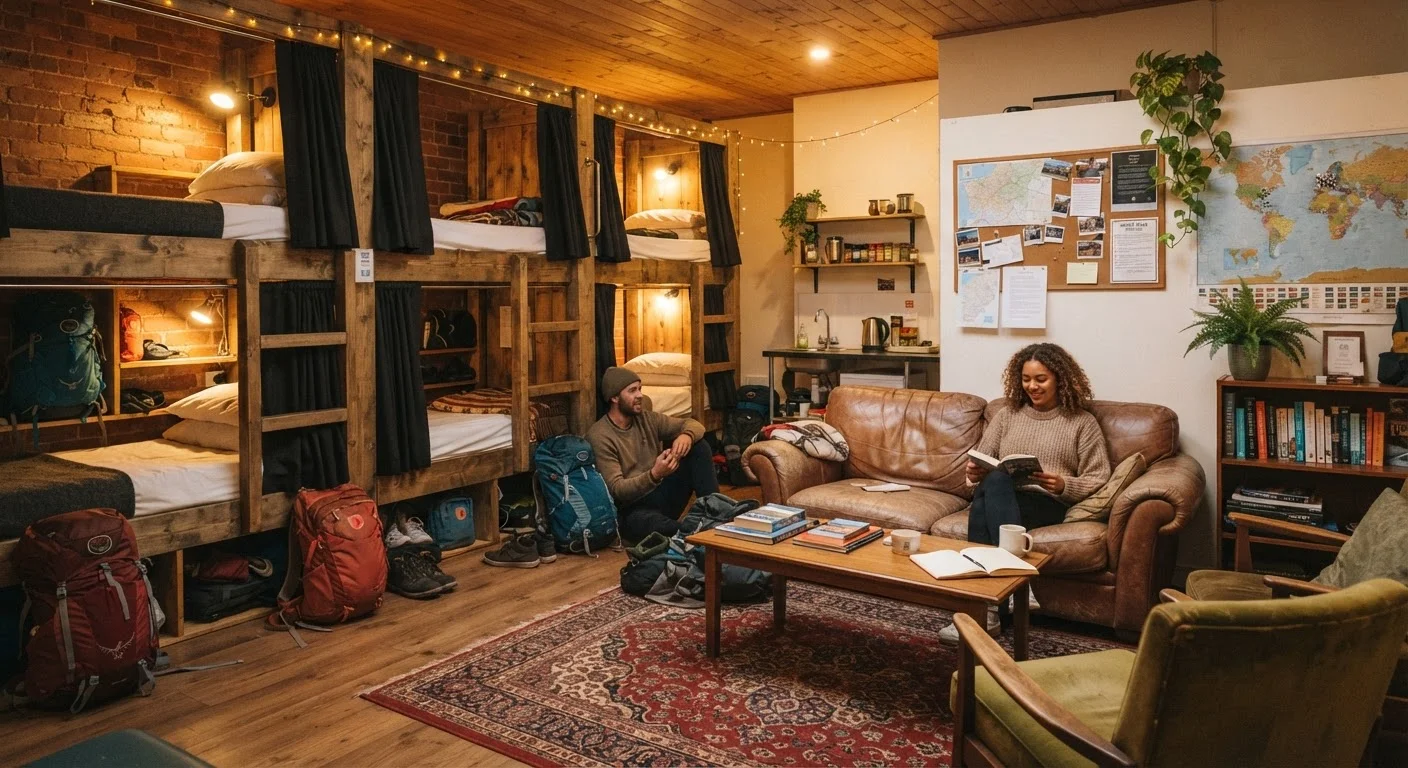
A sleeping space in a shared room at a hostel, where multiple travelers sleep in the same room. It's typically the lowest-priced lodging option available.
Guesthouse
A small, independently run accommodation, often family-operated, that offers private rooms at rates below most hotels. Breakfast is sometimes included.
Cancellation policy
The terms that determine whether and how much you're charged if you cancel or modify a booking. 'Free cancellation' means you can cancel within a certain window without a penalty fee.
City or tourism tax
A local government charge added per night to your stay, separate from the room rate. The amount varies by destination and is usually listed at checkout rather than in the headline price.
Your Main Lodging Options as a Solo Traveler
Understanding your options upfront prevents the default of just booking whatever appears first in a search.
- Hostel dorm rooms: Shared sleeping spaces with anywhere from 4 to 20 beds. These are typically the lowest-cost option and are well-suited to travelers comfortable sharing space with strangers. A room-by-room hostel orientation can help you know what to expect before arrival.
- Hostel private rooms: Your own room within a hostel property, sharing bathrooms and common areas with dorm guests. Costs more than a dorm bed but less than most hotels.
- Guesthouses and B&Bs: Small, independently run properties that offer private rooms, often with breakfast included. They tend to have a local character and more personal service than chain hotels.
- Short-term rental private rooms: Renting a single room in a local resident's home. Pricing varies significantly; read listings carefully to understand what's shared versus private.
- Budget hotels and motels: No-frills rooms with private bathrooms. Watch for the single supplement — many charge extra when only one person occupies a room.
For a deeper comparison of how these options shift depending on your travel style, see budget stays across different travel styles.
Ask About Solo-Friendly Rooms
Some guesthouses and small hotels offer single rooms — smaller spaces priced for one person — that avoid the single supplement entirely. These aren't always prominently listed, so it's worth searching specifically for 'single room' rather than filtering by occupancy. Smaller properties are also more likely to negotiate directly if you reach out before booking.
Safety Basics Without the Paranoia
A common concern among first-time solo travelers is that budget lodging means compromised safety. That assumption is worth examining critically. Price and safety aren't as connected as many assume — a well-run hostel can be far more secure than a poorly managed mid-range hotel.
A few practical habits go a long way:
- Use lockers provided in dorm rooms — bring a small padlock if one isn't supplied.
- Keep copies of key documents (passport, insurance) stored separately from the originals, or use a secure cloud backup.
- Choose lodging in areas that have good walkability and public transit access, especially if you'll be arriving late at night.
- Check recent reviews — not just star ratings — for mentions of security, staff responsiveness, and neighborhood conditions.
Don't Rely on Star Ratings Alone
Star ratings are inconsistently applied across different countries and booking platforms — a three-star property in one city can look very different from one in another. For budget lodging especially, recent guest reviews give a far more accurate picture of cleanliness, security, and what's actually included. Check reviews dated within the last three to six months where possible.
Booking Habits That Save You Money
How and when you book matters as much as where you book. A few habits help solo travelers avoid overpaying:
- Be flexible with dates. Midweek stays are generally less expensive than weekend nights in most destinations. Even shifting check-in by a day can noticeably change the rate.
- Compare the full price, not the headline rate. Taxes and fees added at checkout can significantly change the real cost. Always check the total before comparing properties.
- Read cancellation policies before confirming. Free cancellation options cost a little more upfront but give you room to adjust plans without penalty.
- Look beyond the major booking aggregators. Some smaller properties offer better rates when booked directly. It's worth checking a property's own website after finding it through a search platform.
Pairing smart lodging choices with equally smart flight decisions compounds your savings. A first-timer's flight-finding roadmap covers that side of the equation.
Hidden Costs to Watch For
Budget travelers get caught off guard most often not by the base rate but by what's added on top of it. Common extras to check for before booking include:
- City or tourism taxes
- Many destinations charge a per-night visitor tax that isn't included in the listed rate. These are usually disclosed at checkout and can add a few dollars per night.
- Linen fees
- Some hostels charge separately to rent sheets or towels. Packing a lightweight travel towel is an easy workaround.
- Resort or facility fees
- Common at hotels, these flat daily charges cover amenities you may not use. Always check whether a property lists these in the rate breakdown.
- Wi-Fi charges
- Free Wi-Fi is common but not universal. Verify before booking if reliable internet is important to your trip.
For a thorough walkthrough of what to evaluate at every stage — from searching to checking out — the full picture on budget accommodation covers it comprehensively. And if you want to ensure your lodging decisions fit into a broader financial framework, the resources at budgeting basics offer grounding on managing travel spending within a household budget.