

Key Takeaways
- Clearing cookies or using incognito mode is unlikely to lower flight prices you see.
- Airline pricing is driven by inventory and demand algorithms, not individual browser tracking.
- Real savings come from timing, flexibility, and understanding how fare classes work.
- Multiple searches in a short window can sometimes show price increases unrelated to cookies.
- Evidence for personalized pricing based on browsing history remains thin and largely anecdotal.
Where the Cookie Myth Came From
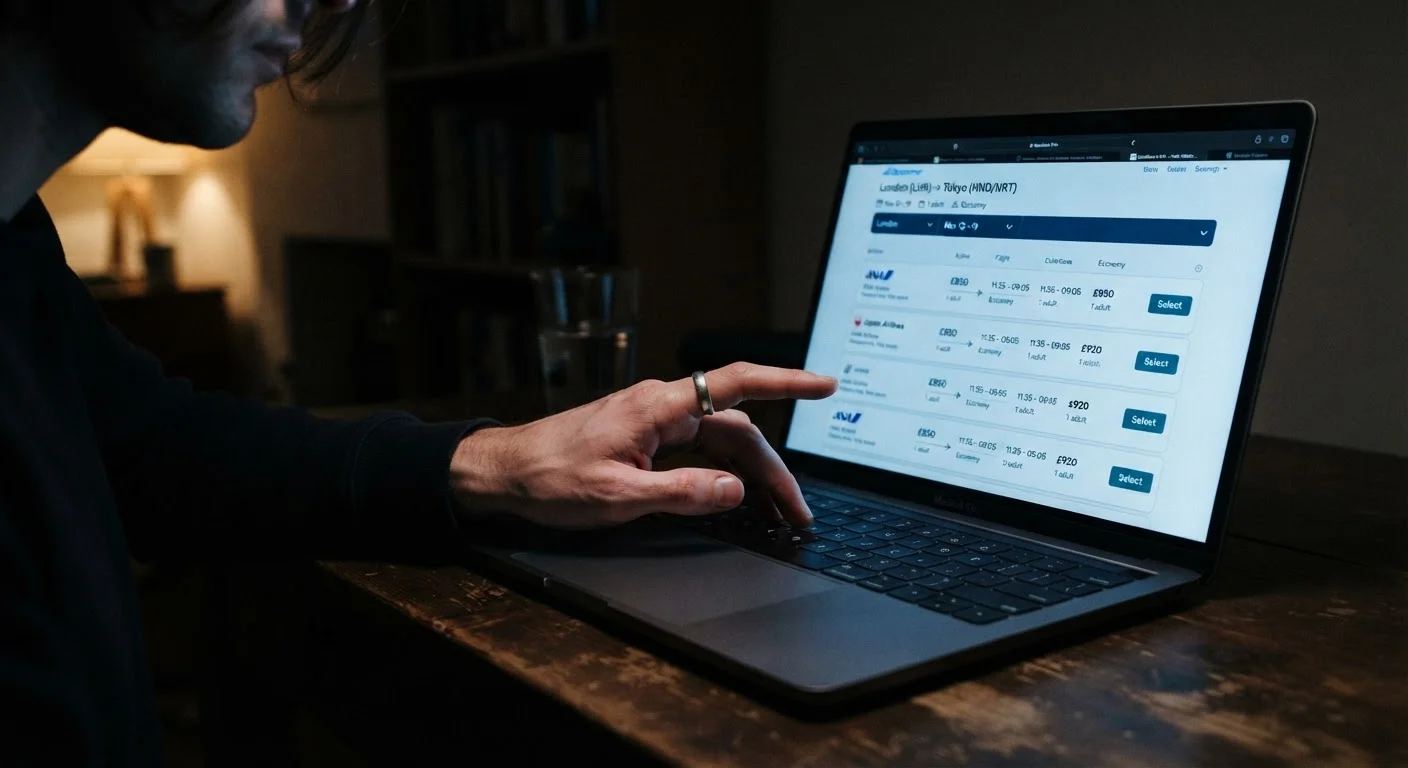
For years, a tip has circulated on travel forums and social media: search for flights in a private or incognito browser window — or clear your cookies first — and you'll see lower fares than you would in a regular session. The idea sounds plausible. Websites do use cookies to track behavior, and the concept of airlines charging repeat visitors more has an intuitive appeal.
The problem is that the evidence supporting this claim is almost entirely anecdotal. Travelers notice a price increase after searching the same route twice and connect those dots to browser tracking. That's an understandable conclusion, but it's almost certainly the wrong one. To understand why, it helps to look at how airline pricing actually works — and it has very little to do with your browser history. See our guide to airline pricing mechanics for a deeper breakdown.
Myths vs. Reality: Flight Pricing and Browser Tracking
Below are the most common misconceptions travelers carry into the booking process — and what the evidence actually supports.
Myth
Airlines track your browser cookies and raise prices when they see you've searched the same route before.
Fact
There is no credible documented evidence that major airlines systematically raise prices for individual users based on cookie tracking.
This claim has been investigated repeatedly by journalists and consumer researchers, and no consistent, reproducible pattern of individual price targeting through cookies has been confirmed. Airline pricing systems operate at a population level — adjusting fares based on how many seats remain in each fare class and how fast they're selling, not by identifying and charging specific repeat visitors more. The technical infrastructure for that kind of individual targeting would also be legally complex in many jurisdictions under consumer protection frameworks.
Myth
Using incognito mode guarantees you'll see the lowest available fare.
Fact
Incognito mode changes nothing about how airline pricing algorithms set fares — it only prevents your browser from storing local data.
Private browsing stops your browser from saving cookies, history, and form data on your device. It does not make you invisible to the websites you visit — your IP address, location, and session data are still visible to the server. More importantly, the fares displayed are drawn from a shared global distribution system, not a personalized price list built from your cookies. Two people searching the same route on the same device at the same second will almost always see identical prices regardless of browser mode.
Myth
If a price goes up after you search twice, the website is using your data against you.
Fact
Fare fluctuations between searches are overwhelmingly driven by real-time inventory changes, not user identification.
Airline seat inventory is divided into fare buckets. When the cheapest bucket sells out — even while you're mid-search — the next bucket's higher price becomes the displayed fare. This can happen in seconds and affects every user simultaneously, not just you. Seasonal demand shifts, competitor fare changes, and algorithmic triggers can also move prices rapidly. Attributing these changes to your browser cookies assigns personal significance to a system-wide event.
Myth
Clearing cookies is a reliable money-saving strategy worth doing before every flight search.
Fact
Clearing cookies before searching flights is unlikely to produce any savings and may actually complicate your experience.
Beyond having no demonstrated effect on displayed fares, clearing cookies can log you out of accounts, remove saved search preferences, and reset loyalty program recognition that might surface member-only fares. If you're signed into an airline or travel portal account, those fares are tied to your login credentials, not your browser cookies. The time spent on this ritual is better directed at genuinely effective strategies: searching across multiple date combinations, considering nearby departure airports, or monitoring fare trends over time.
What Actually Moves Flight Prices
Airline fares are set through yield management systems — sophisticated software that adjusts prices based on seat inventory, route demand, competitor pricing, time until departure, and booking patterns across thousands of users simultaneously. A price you see change between two searches is almost always the result of one of these factors shifting, not the airline recognizing your browser.
500+
Fare changes per route per day
Industry estimates suggest major airline routes can see hundreds of fare adjustments daily, driven entirely by demand algorithms and inventory, not individual user data.
8–12 weeks
Common advance booking window for domestic fare savings
Research from multiple airfare analysis platforms has historically found that booking domestic US flights roughly 8 to 12 weeks out tends to capture more competitive fares, though this varies by route and season.
The practical implication: your individual browsing session is a rounding error in these systems. Airlines are responding to aggregate demand signals, not tailoring prices to your laptop. If you want genuinely lower fares, the levers that consistently matter are travel date flexibility, booking timing relative to departure, and understanding which fare classes are available on a given route. Experienced travelers use a different set of strategies that focus on these real variables rather than browser tricks.
It's also worth considering where you book. Whether you use the airline directly or a third-party search tool can affect what fees and flexibility you're offered — our comparison of direct booking versus flight search engines walks through those trade-offs. And before you finalize any low fare, check out the hidden fees that can inflate a budget fare well beyond its headline price.
Don't Let Browser Myths Distract From Real Strategies
Time spent clearing cookies and toggling incognito mode is time not spent on tactics that can genuinely affect what you pay. Flexible travel dates, alternative airports, and understanding fare class availability have a documented impact on price. Focus your energy there. Prices are also general information — always verify current fares directly before making any booking decision, as pricing changes constantly.